Troubleshooting Loose Bolts in Ground Mount Racking Systems
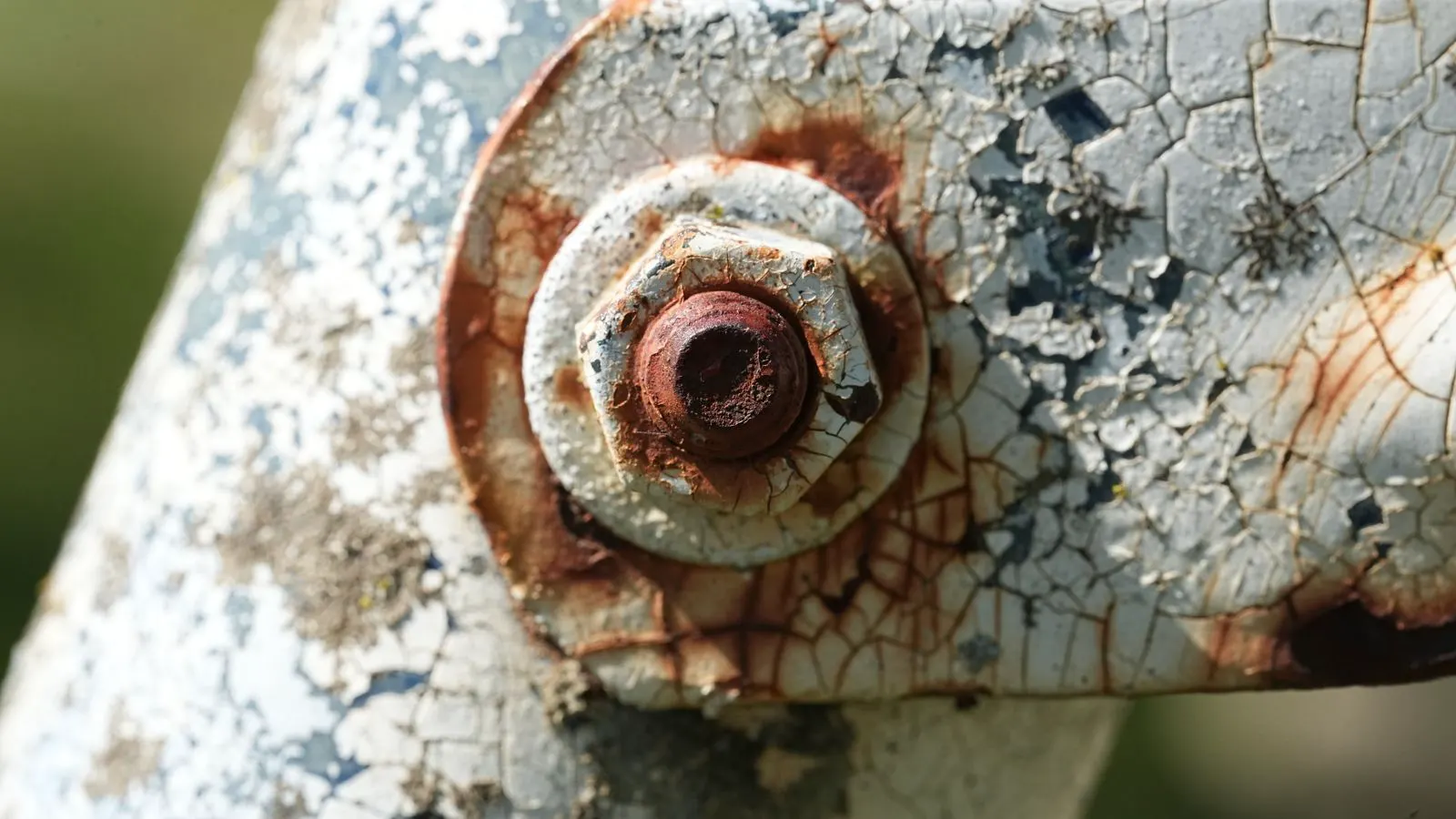
Loose bolts in ground mount racking usually stem from vibration, thermal cycling, or improper initial torque. Identify symptoms, check torque values, and apply prevention methods.
- Inspect all fasteners during routine racking maintenance to catch loosening before it affects panel alignment.
- Verify bolt torque with a calibrated wrench to confirm fasteners meet manufacturer specifications.
- Use thread lockers or washers to reduce vibration-related loosening in exposed locations.
- Retorque fasteners after significant temperature changes or wind events.
- Document all maintenance actions to track recurring issues and support warranty claims.
Why loose bolts matter in installed racks
A loose bolt on a ground mount racking system is not a cosmetic issue. It changes how the structure carries load. When a fastener loses tension, the connection point shifts, transferring stress to neighboring fasteners and structural members. Over time, this movement can loosen additional hardware, distort mounting rails, and create gaps between the racking and the solar array.
In practice, loose fasteners show up in a few predictable ways. Panels sit at the wrong angle. The rack frame shifts slightly against the foundation. You see gaps at the base plate or at the connection points between the rails and the ground screws. These symptoms are often minor at first, but they signal a mechanical problem that needs attention.
This guide walks through the most common symptoms, the likely causes, and the specific actions to take. It also covers prevention strategies that reduce the chance of the same issue returning after repair.
Common symptoms of fastener failure
The first step is recognizing what the problem looks like. Loose bolts do not always announce themselves with a loud noise. Most of the time, the signs are subtle.
Look for the following indicators during a visual inspection:
- Gaps or movement at the base plate where it meets the ground screw.
- Visible rotation of the bolt head or the washer.
- Scratches or paint transfer on the bolt head, which indicates the fastener has shifted.
- Panels that no longer sit flush with the mounting rails.
- A rack frame that feels loose when you apply steady pressure.
- Uneven panel spacing that was not present at commissioning.
If you see any of these signs, treat the fastener as compromised. Do not assume it is still holding. The next step is to determine the cause and apply the correct fix.
Troubleshooting loose bolts: causes and fixes
The table below lists the most common symptoms, the likely causes, and the actions to take. Use it as a quick reference during site inspections.
| Symptom | Likely cause | What to do |
|---|---|---|
| Bolt head has rotated and there is a gap at the base plate | Insufficient initial torque or thermal expansion during installation | Re-torque to the manufacturer specified value and check that the base plate is seated flat on the foundation |
| Fastener loosens after a high wind event | Vibration from wind load or dynamic movement of the array | Re-torque the affected fastener and inspect neighboring connections for movement |
| Bolt feels loose but the panel angle is unchanged | Washer or shank has compressed over time | Replace the fastener and washer assembly and re-torque the new parts |
| Multiple fasteners on the same rail show movement | Rail distortion or uneven foundation settlement | Check the entire rail for alignment, re-torque all fasteners on that section, and assess the foundation |
| Bolt threads are stripped | Over-torquing during installation or use of a damaged fastener | Replace the fastener and inspect the mating hole. If the hole is damaged, use a repair sleeve or relocate the fastener to the next hole |
| Fasteners loosen in areas with high temperature variation | Thermal cycling causing expansion and contraction of the steel | Re-torque after the structure has returned to ambient temperature and apply thread lock to the threads |
Do not guess torque values. Every manufacturer publishes specified torque ranges for each bolt size and connection type. Use the values from the installation manual. If the manual is unavailable, contact the racking supplier before applying torque.
How to check bolt torque correctly
Torque is the measure of rotational force applied to a fastener. It is not the same as hand tightness. A bolt that feels secure by hand may be under-torqued. A bolt that feels tight may be over-torqued, which can strip the threads or deform the washer.
Use a calibrated torque wrench for all checks. A spring wrench or a ratchet without a torque setting is not accurate enough for this task. Before starting, confirm that the wrench is within its calibration date. If it is out of calibration, send it to a service center.
Follow these steps when checking torque:
- Clean the bolt head and the mating surface. Dirt and grime add friction and give a false reading.
- Position the torque wrench on the bolt head so the force is applied directly along the bolt axis.
- Apply torque in a steady motion. Do not jerk or snap the wrench.
- Stop when the wrench clicks or indicates the target value.
- Record the actual torque value in the maintenance log.
If a fastener does not reach the target torque, do not keep forcing it. The threads may be damaged, or the fastener may be the wrong size. Replace the fastener and recheck.
Why fasteners loosen over time
Understanding the mechanism helps you prevent the problem. Fasteners loosen for a few reasons, and they often act together.
Vibration. Wind creates dynamic loads on the array. Even a steady breeze that does not move the whole rack can cause small oscillations in the panels and rails. These oscillations work on the fasteners. Over months, the bolt and washer shift slightly. Each small shift reduces the clamping force.
Thermal cycling. Steel expands and contracts as temperatures change. A ground mount rack is exposed to the sun and the elements. In the morning, the structure may be cold. By midday, it is significantly warmer. The fastener and the rail expand at different rates. This differential movement can reduce the preload on the bolt.
Settlement. Foundations can settle unevenly. Even a small amount of movement at the ground screw level changes the geometry of the connection. The bolt that was holding the base plate firmly may now be under less tension than it was at installation.
Material fatigue. Over years of use, the threads and the washer can deform slightly. The metal does not stay exactly the same shape it had on day one. This small change reduces the grip of the fastener.
Prevention tips for long term stability
Prevention is cheaper than repair. The goal is to keep the fasteners at their specified torque for as long as possible.
Follow the manufacturer torque sequence. Install fasteners in the pattern specified by the racking supplier. Usually this is a cross pattern that brings the base plate down evenly. Tightening one side first can pull the plate out of square and leave other fasteners under-torqued.
Use the correct hardware. Do not substitute washers or bolts from a local hardware store. The spec sheet lists the material grade, the head type, and the torque range. A cheap fastener may not hold the same torque, and it may not be compatible with the base plate.
Apply thread lock where appropriate. For connections that experience vibration, a small amount of removable thread lock on the threads can prevent the fastener from working itself loose. Use a removable type, not a permanent one, so that future maintenance is not complicated.
Inspect after major weather events. After a storm, a hail event, or a period of extreme heat, walk the site. Check the fasteners you flagged during the initial inspection and spot check others. This catches movement while it is still small.
Maintain a record. Keep a log of every inspection and every re-torque event. Note the date, the location, the torque value, and any hardware replaced. This record supports warranty claims and gives you a baseline for future inspections.
When to call a professional
Some situations go beyond routine maintenance. If you find widespread fastener loosening across multiple rows, or if the foundation shows signs of shifting, stop and assess the whole system. Do not just re-torque the visible bolts. The root cause may be structural.
Contact a qualified solar installer or the racking manufacturer when:
- More than five percent of the fasteners in a row show movement.
- The rack frame has shifted relative to the foundation.
- Panels are no longer aligned with the rails.
- You find cracked or deformed structural members.
A professional can assess the structural integrity, identify the cause of the movement, and apply a permanent fix. Trying to correct a structural shift with re-torquing alone will not hold.
Final thoughts
Loose bolts in ground mount racking are a manageable problem when caught early. The key is to recognize the symptoms, check the torque with the right tool, and apply the correct fix. Then, put a prevention routine in place that keeps the fasteners at their specified torque through the life of the system.
Routine racking maintenance is not just about keeping the panels clean. It is about keeping the structure sound. A few minutes of inspection and re-torquing can prevent a small issue from becoming a major repair.
Frequently asked questions
How often should I check bolt torque on my ground mount racking?
Check fasteners at least once a year as part of routine racking maintenance. Increase the frequency if the site has high wind exposure or if you notice any movement.
What torque value should I use if I do not have the installation manual?
Do not guess. Contact the racking manufacturer with the model number and the bolt size. They can provide the correct torque value and the installation sequence.
Can I use a regular wrench to tighten a loose bolt?
No. A regular wrench does not give you control over the torque. Use a calibrated torque wrench to ensure the fastener reaches the specified value without over-torquing.
What should I do if a bolt thread is stripped?
Replace the fastener. If the mating hole is damaged, use a thread repair sleeve or move the fastener to the next available hole. Do not try to force a damaged thread to hold.
Will applying thread lock to all fasteners cause problems?
Use removable thread lock only where vibration is a concern. Do not apply it to every fastener unless the manufacturer recommends it. Permanent thread lock makes future maintenance difficult.