
Ground Mounts
Buyers Guide: Verifying Helical Pile Depth for Sandy Soil
Procurement managers must verify helical pile depth for sandy soil by checking geotechnical reports, load calculations, and torque values. Low-cohesion soil demands
Explore fixed-tilt, dual-axis, and tracker options for land-based installations with site-specific load data.
Procurement managers must verify helical pile depth for sandy soil by checking geotechnical reports, load calculations, and torque values. Low-cohesion soil demands
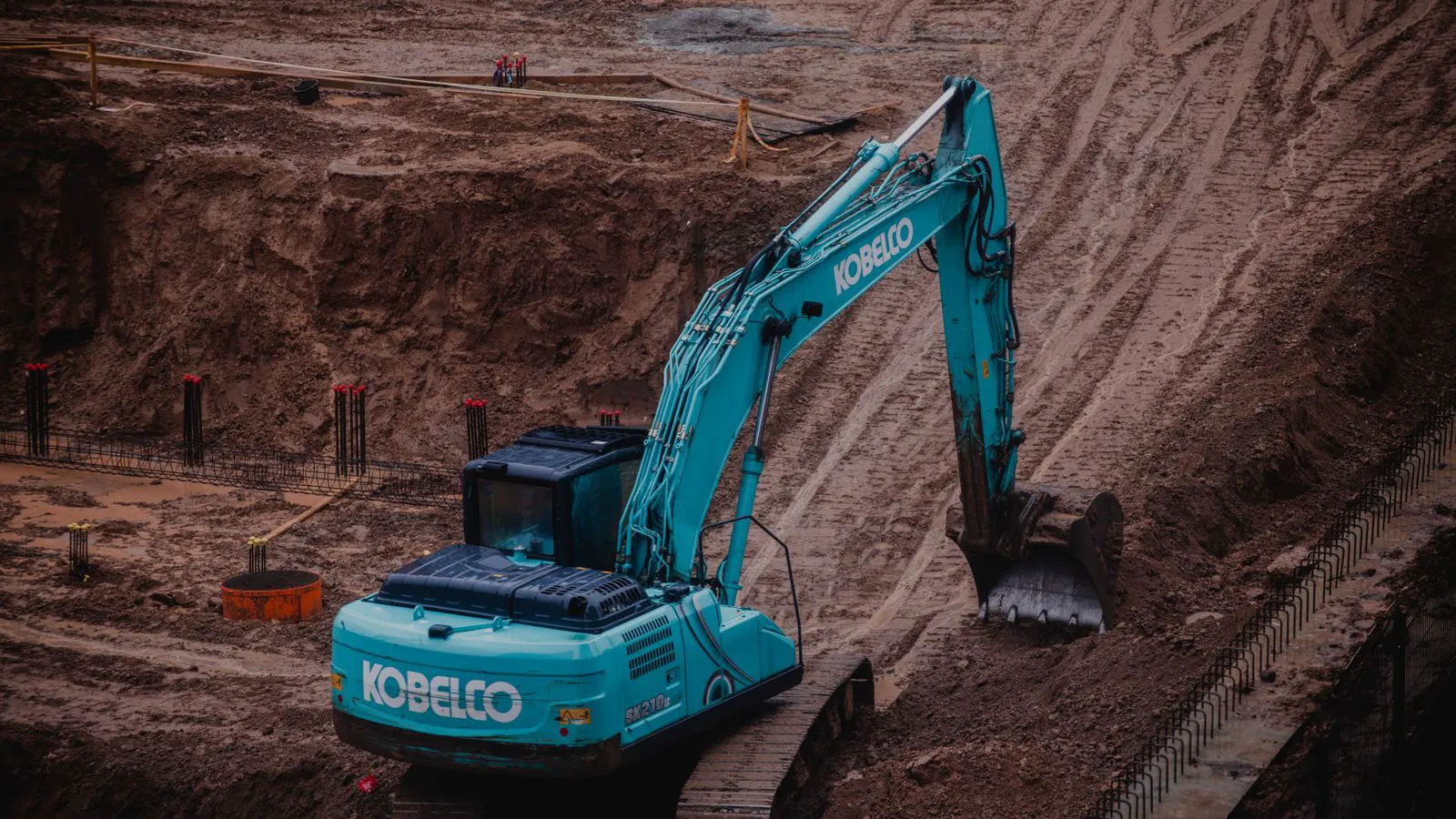
Confirm solar site prep is complete by verifying soil conditions, grading, access roads, utility connections, and drainage. This audit checklist identifies gaps that
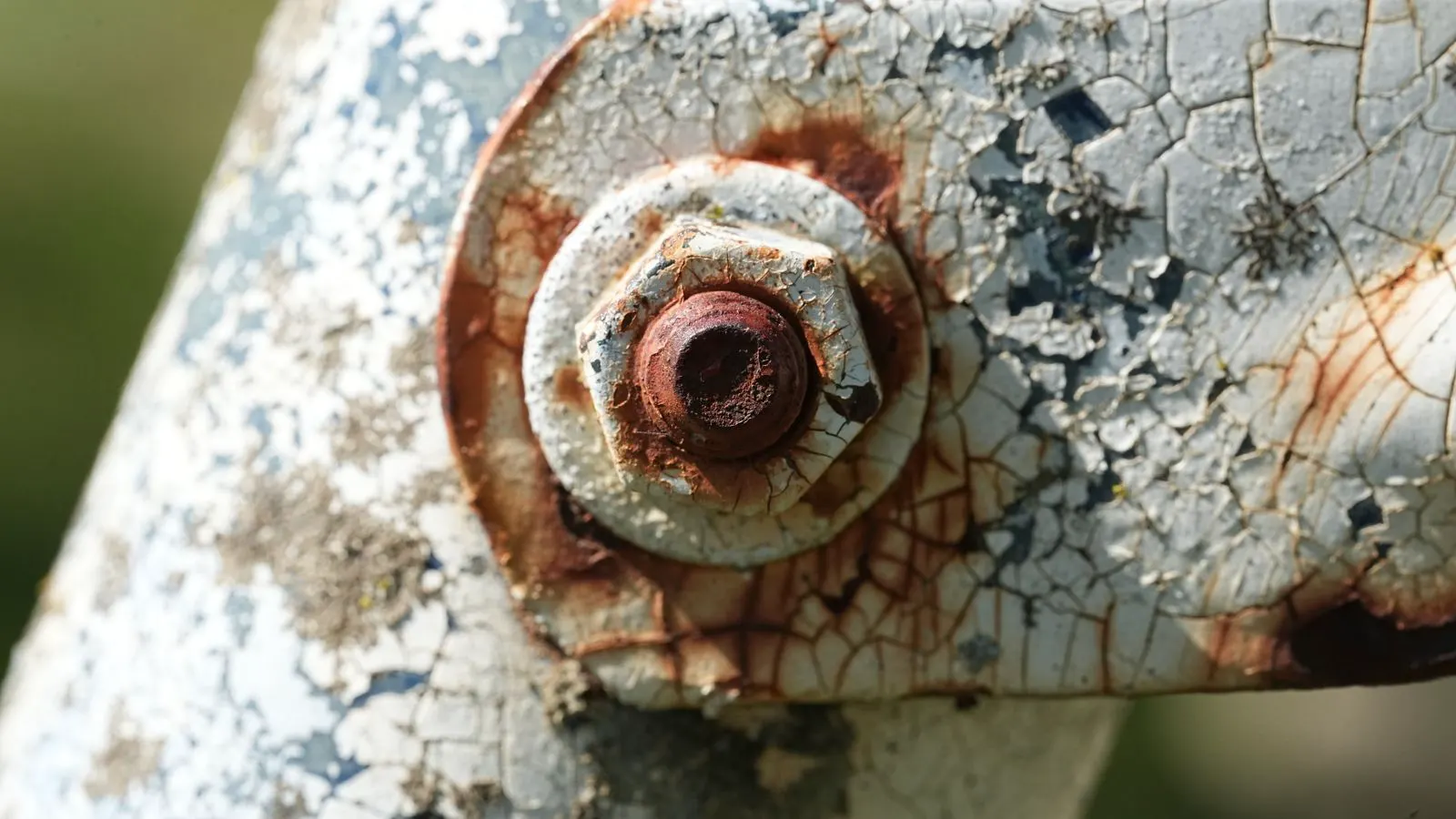
Loose bolts in ground mount racking usually stem from vibration, thermal cycling, or improper initial torque. Identify symptoms, check torque values, and apply
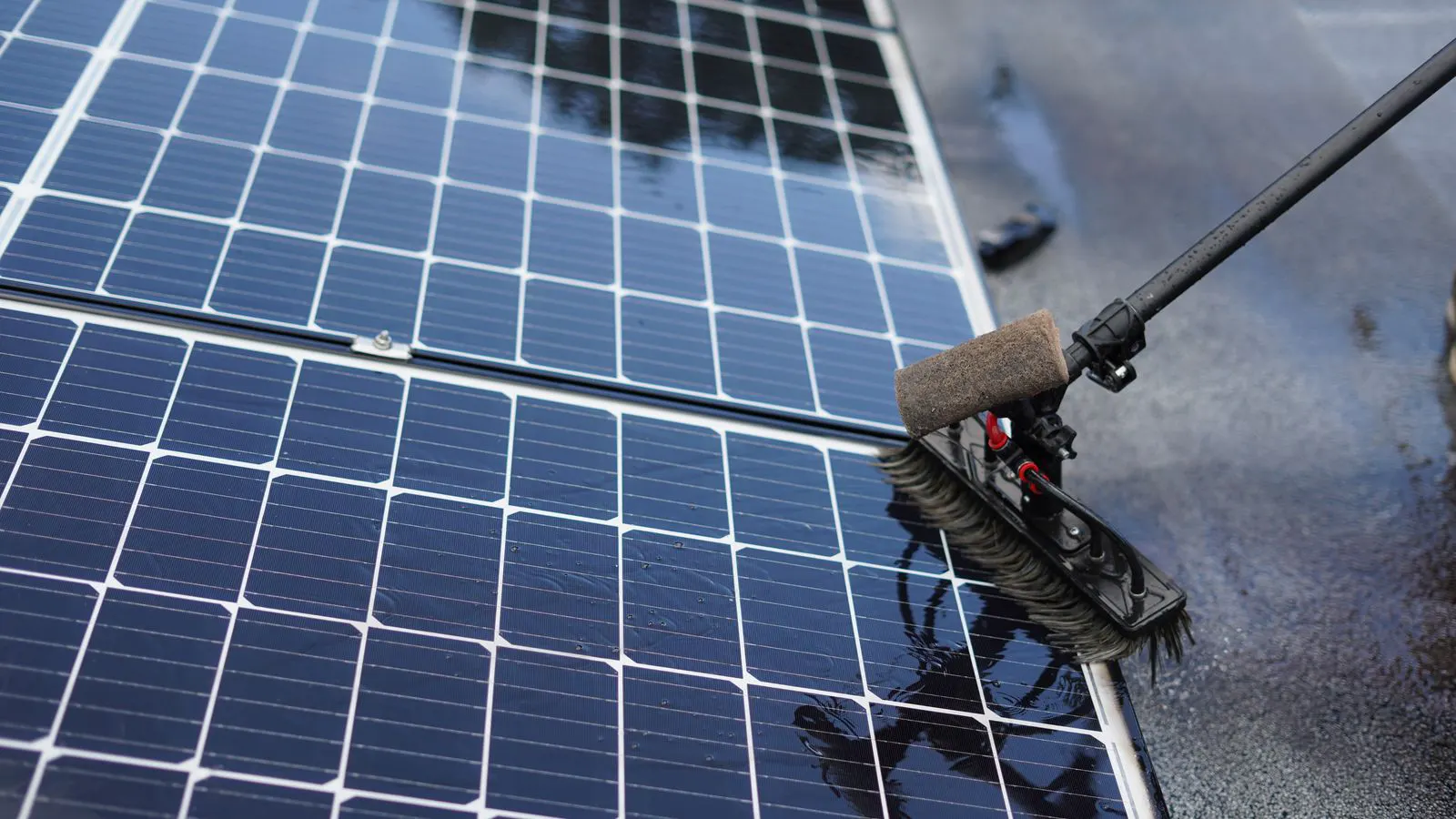
A solar foundation supports the structure, transfers loads to the ground, and determines installation method. Choosing between concrete, piles, or ballast depends on
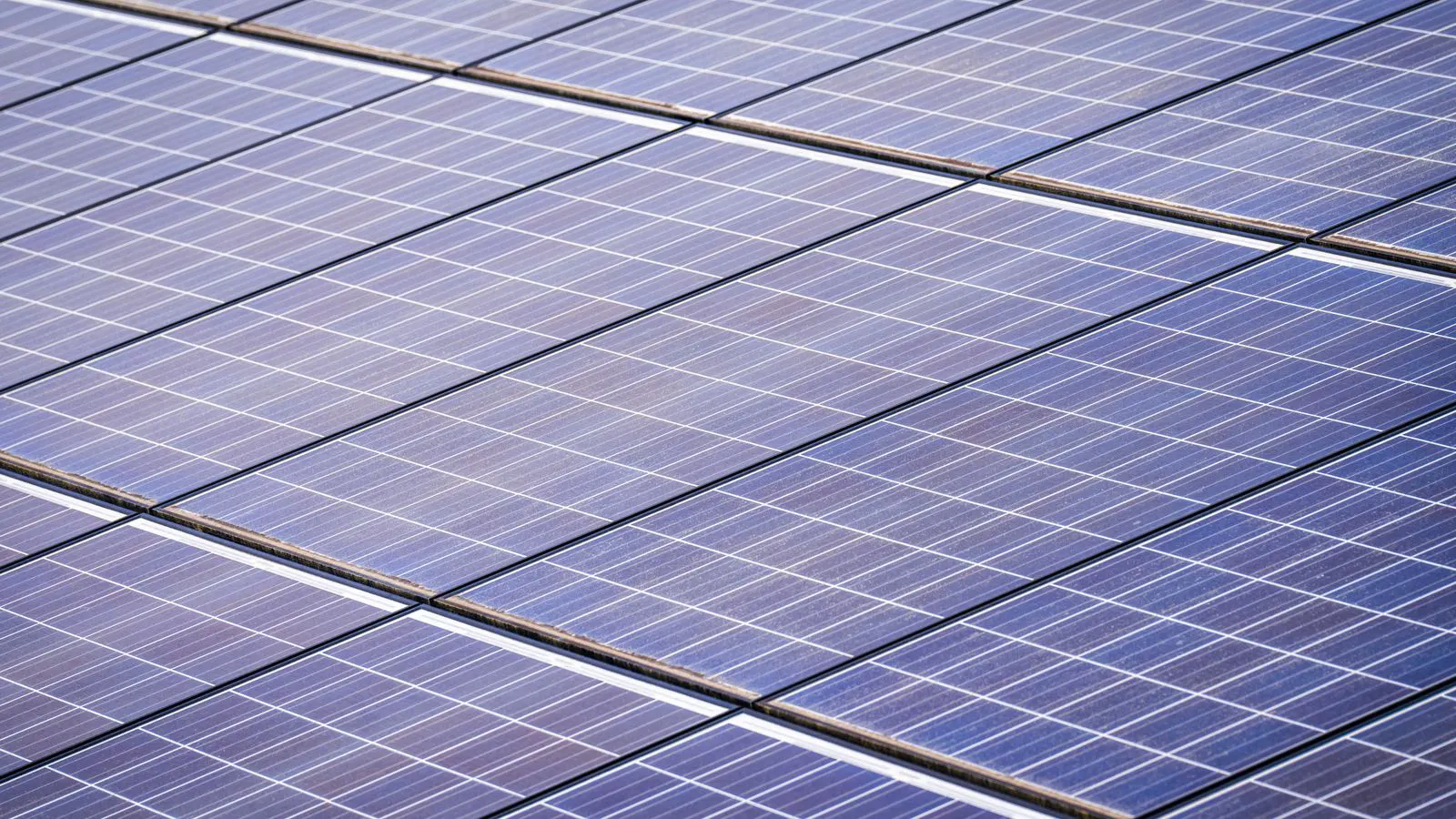
Selecting ground mount racking requires a structured review of site conditions, material choices, and engineering specifications. This guide breaks down the key criteria
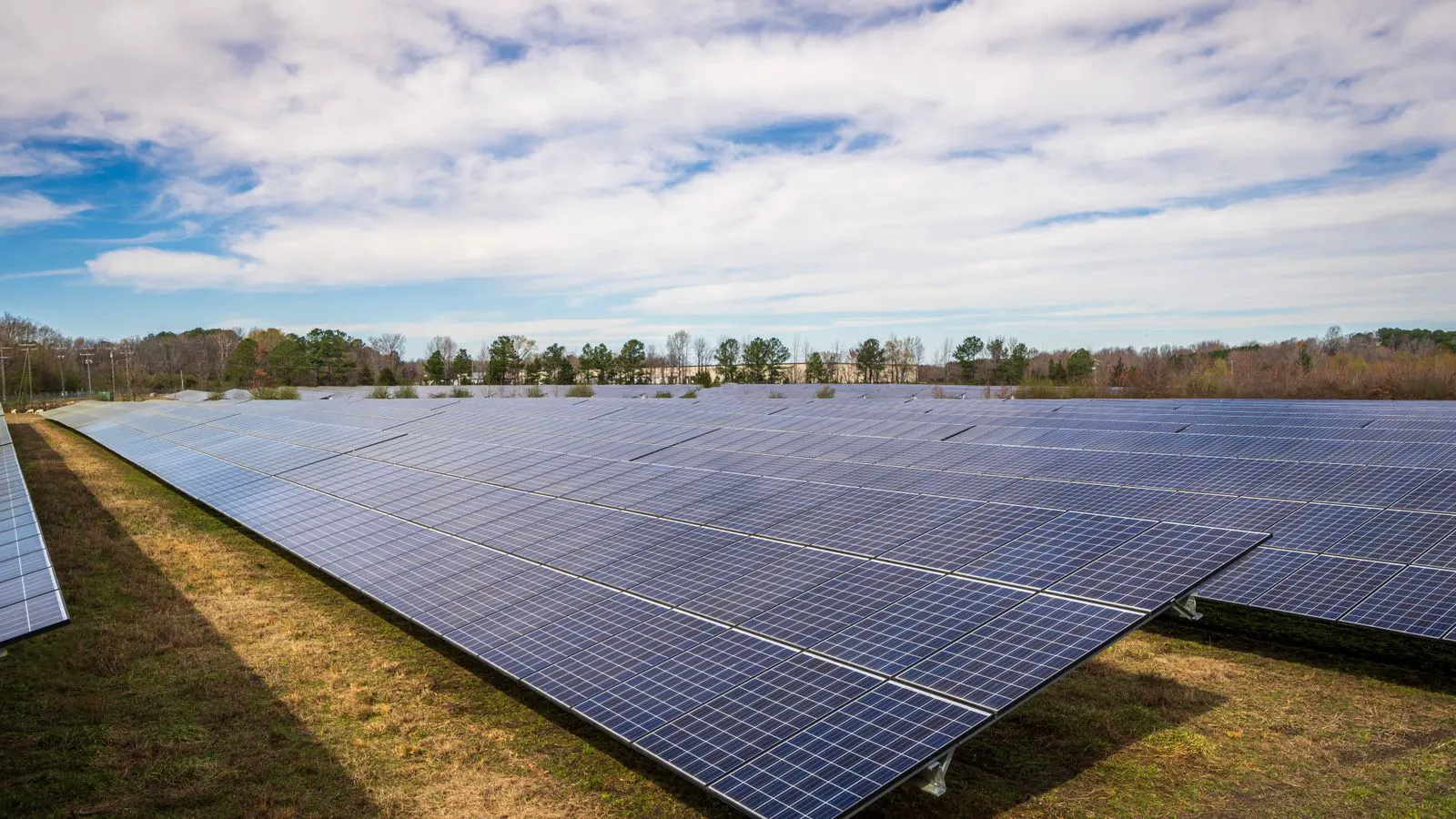
A dual axis tracker captures more peak power by following the sun, but it adds mechanical complexity and higher structural demands. Fixed tilt systems remain simpler and
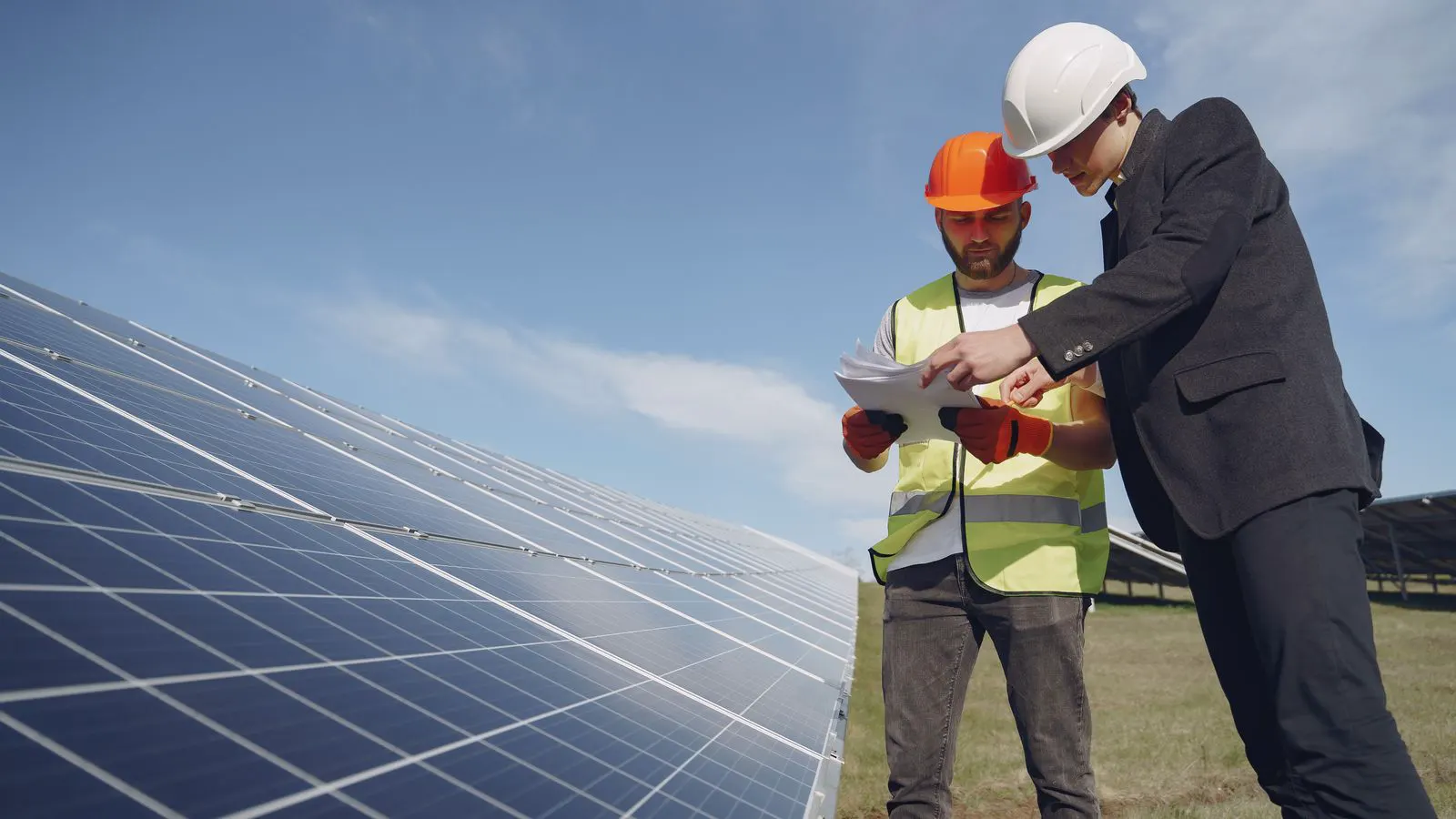
Fixed ground mounts usually cost less and deliver faster than trackers when site conditions are standard. Tracker costs rise with drive systems and controls, while lead
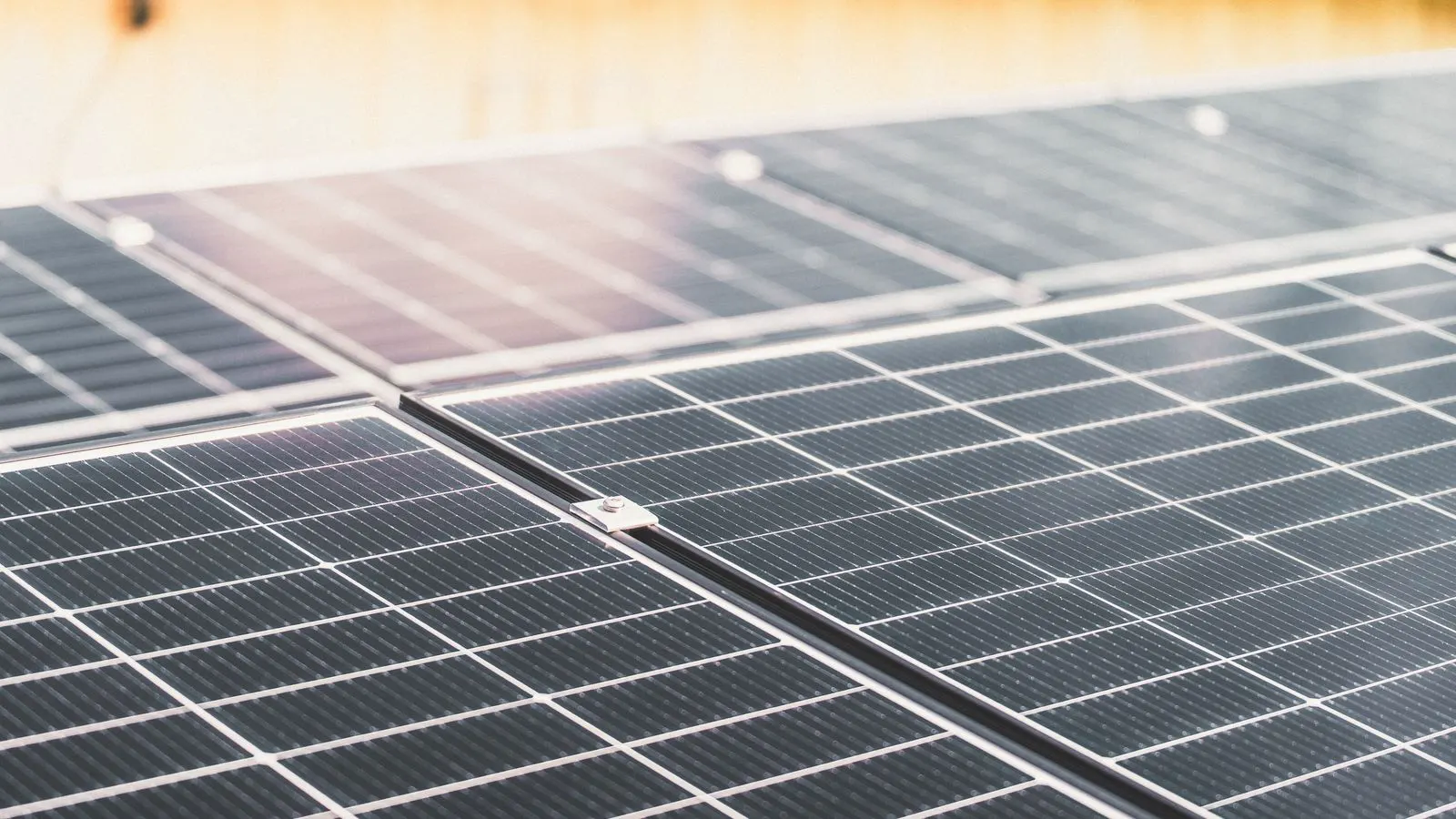
Solar site prep requires surveying, grading, soil testing, and utility coordination. Proper preparation prevents structural failure, drainage issues, and costly rework
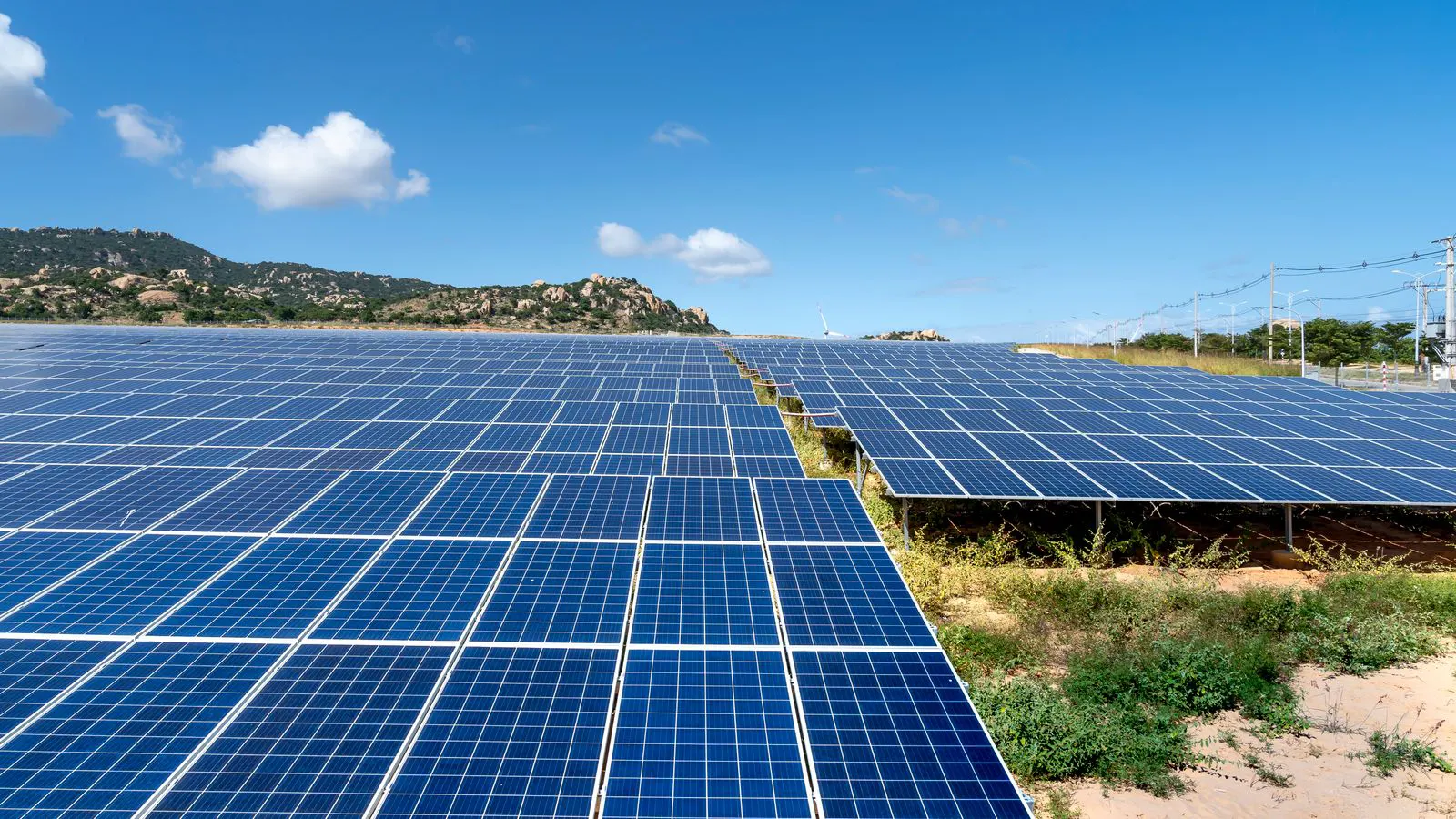
High wind coastal sites demand stronger ground mount racking and deeper coastal foundations. Buyers should plan for higher design loads, better drainage, and corrosion