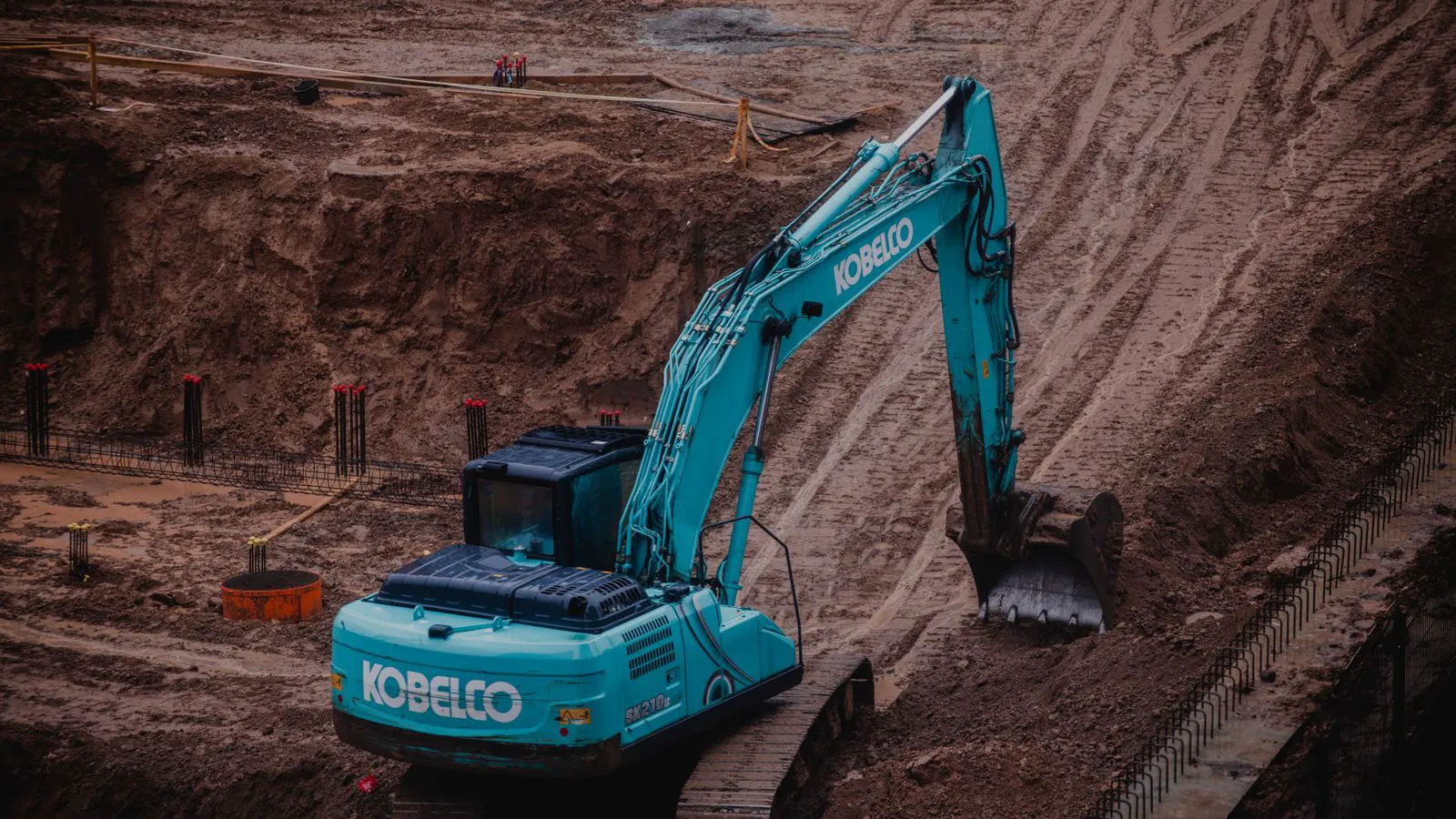
Buyers Guide to Selecting Ground Mount Racking Systems
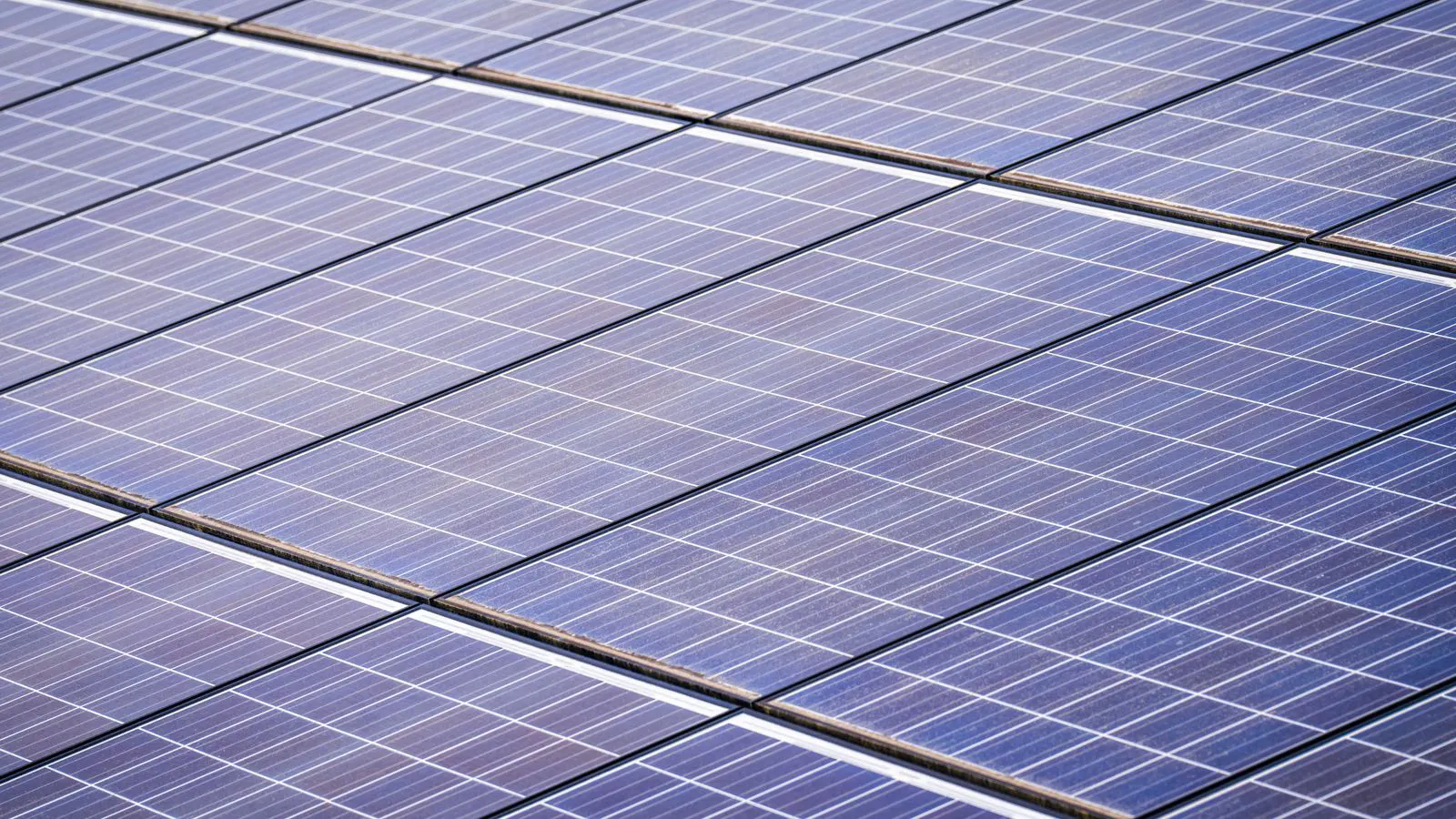
Selecting ground mount racking requires a structured review of site conditions, material choices, and engineering specifications. This guide breaks down the key criteria for rack selection, from wind loads and foundation prep to corrosion resistance and future expansion.
- Match racking materials and corrosion protection to the specific wind, humidity, and soil conditions of the project site.
- Verify engineering calculations for wind, snow, and seismic loads before finalizing the rack design.
- Evaluate foundation methods and site preparation early, as they drive cost and installation speed.
- Choose a racking system with clear maintenance access and expansion options to protect long-term value.
- Review vendor documentation, warranty terms, and local code compliance requirements before placing an order.
Start With the Site, Not the Rack
The first step in rack selection is the site itself. A rack that performs well on a flat, low-wind prairie will fail on a coastal slope with salt spray. Before comparing material options or load ratings, the buying team needs a clear picture of the ground, the weather, and the access routes.
Site assessment includes topography, soil type, drainage, and vegetation. A compacted gravel pad is easy to build. A rocky or clay-heavy field may require deeper footings or a different foundation method. The site also determines whether the project can use a fixed tilt or if a tracker system makes more sense. A fixed array is cheaper to install and maintain. A tracker costs more but can capture more energy. The rack must support the chosen system architecture.
The utility interconnection agreement often adds constraints. Setbacks, fire lanes, and future expansion areas are already defined. A good rack selection process respects those boundaries from day one. It also accounts for the fact that site conditions are not static. Drainage patterns shift. Wind corridors can change with nearby construction. The rack design should have some margin to absorb those changes without requiring a full redesign.
Evaluate Structural Loads and Engineering
The structural case for a ground mount racking system comes down to three forces: wind, snow, and seismic activity. Wind is usually the dominant load in most regions. Snow adds a downward force that can be significant in northern climates. Seismic loads matter in specific zones and require special design features.
Engineering calculations must be done by a qualified professional. The rack manufacturer should provide load rating data, but the final design must be verified by a local engineer or structural consultant. The calculations account for the wind speed at the specific site, the tilt angle of the array, and the drag coefficient of the modules. A rack rated for a lower wind zone will not pass inspection in a higher one.
The engineering process also covers the connections. The base plate, the upright, the rail, and the clamps must all be sized correctly. A weak connection is a single point of failure. It can allow the entire module string to lift or shift during a high wind event. The buying team should request the engineering drawings and load reports before signing the purchase order.
Compare Racking Materials and Corrosion Protection
Racking materials range from galvanized steel to aluminum. Each has a distinct trade-off profile. Galvanized steel is strong and cost-effective. It handles high loads well. The coating protects against rust, but it can be compromised if scratches occur during installation or if the rack is exposed to aggressive chemical environments.
Aluminum is lighter and more corrosion resistant. It does not rust. It is a strong choice for coastal sites or areas with high humidity. The downside is cost. Aluminum racking costs more per unit of load capacity. It also requires different fasteners and installation techniques. The bolts and washers must be compatible with the aluminum to avoid galvanic corrosion.
Corrosion protection extends beyond the base material. Powder coating is a common finish that adds a layer of paint over the metal. It improves appearance and adds a second barrier against corrosion. The buying team should ask about the coating thickness and the expected life of the finish in the local climate. A thin coating in a salty environment may need reapplication within a few years.
The fasteners are often overlooked. Stainless steel bolts are expensive but last for decades. Carbon steel bolts are cheaper but require regular inspection and re-tightening. The choice of fasteners affects the long-term maintenance schedule. A rack with carbon steel fasteners in a wet environment will need more frequent attention. That is a cost that should be factored into the total project budget.
Foundation Methods and Site Preparation
The foundation is the part of the ground mount racking system that touches the ground. It must be sized to hold the rack against uplift and overturning forces. There are several common methods. Helical piers are driven into the soil and are fast to install. They work well in loose or sandy soil. Concrete footings are poured into the ground and provide high stability. They are slower to build but are reliable in many conditions.
The site preparation process determines the foundation choice. A well-graded and compacted site allows for simpler foundation work. A site with poor drainage or rocky soil may require more extensive preparation. The cost of site preparation can be a significant portion of the total project cost. A small difference in grading or compaction can change the foundation design and the overall budget.
The buying team should review the site preparation plan carefully. The plan should include grading, compaction, drainage, and any necessary rock removal. The foundation engineer must see the actual site conditions. A drawing made from a satellite image will not account for the local soil variability. The foundation design must be based on real data.
Maintenance Access and Future Expansion
A rack system is a long-term asset. It will be in place for twenty-five years or more. The design should make maintenance easy and affordable. The buying team should walk the site and look at the rack layout. Can a worker reach every module for cleaning and inspection? Can a clamped module be removed without disturbing the rest of the array?
Access paths matter. The site needs clear lanes for cleaning equipment and for personnel to move. The rack design should not create narrow gaps that are difficult to work in. The height of the rail above the ground should be high enough to allow safe access but low enough to keep the center of gravity stable.
Future expansion is another factor. Some projects start with a smaller footprint and plan to add modules later. The racking system should be designed to allow for expansion. The foundation layout and the electrical conduit runs should account for the future addition of more racks. A rigid design that does not allow for expansion can lead to costly rework later.
The warranty terms also matter. A good manufacturer will provide a clear warranty on the rack structure and the fasteners. The warranty should cover the material and the workmanship. The buying team should read the warranty document carefully. It should state what is covered, what is excluded, and how long the coverage lasts.
Build a Decision Matrix
A decision matrix helps the buying team compare rack options in a structured way. The matrix should include the key criteria that matter for the specific project. The criteria should be weighted based on their importance. A coastal project will weight corrosion protection higher than a dry inland project. A high-wind site will weight structural load capacity higher than a low-wind site.
The matrix allows the team to score each option against the criteria. The scores should be based on the engineering data and the site assessment. The team should not rely on marketing claims. They should use the load reports, the material specifications, and the warranty documents. The matrix should be reviewed by the project team, the engineer, and the client.
The final decision should be based on the total cost of ownership, not just the purchase price. A cheaper rack that requires more maintenance and has a shorter warranty may cost more over time. A more expensive rack that lasts longer and is easier to maintain may be the better investment. The decision matrix makes this comparison visible and defensible.
Decision Checklist
Before placing the order, the buying team should complete the following checklist.
- The site assessment is complete and includes topography, soil, wind, and drainage data.
- The engineering calculations for wind, snow, and seismic loads are verified by a qualified professional.
- The racking materials and corrosion protection are matched to the local climate and exposure.
- The foundation method is selected and the site preparation plan is approved.
- The maintenance access and future expansion options are reviewed and confirmed.
- The warranty terms and fastener specifications are documented and agreed upon.
- The rack system meets all local code and utility interconnection requirements.
A structured approach to rack selection reduces risk and improves the long-term performance of the project. The site, the engineering, the materials, and the foundation all work together to create a reliable system. A careful review of each element ensures that the rack will perform as expected for the life of the project.
Frequently asked questions
What is the most common racking material used for ground mount solar projects?
Galvanized steel is the most common material because it offers a strong balance of cost and load capacity. Aluminum is used in high-corrosion environments where the higher cost is justified.
How do I know if my site requires a deeper foundation?
The soil type and the wind load determine the foundation depth. Loose soil or high wind speeds require deeper footings to resist uplift. A site engineer should perform a soil test to confirm the required depth.
Can a fixed tilt rack be converted to a tracker system later?
Generally, no. The foundation and the structural design are specific to the system type. A fixed tilt rack is not built to support the dynamic loads of a tracker. Converting a fixed rack to a tracker usually requires a full replacement of the racking structure.
What is the difference between a helical pier and a concrete footing?
A helical pier is a screw-like foundation driven into the soil. It is fast to install and works well in loose soil. A concrete footing is a poured structure that provides high stability. It is slower to build but is reliable in many soil types.
How long does the site preparation phase usually take?
The duration depends on the site size and the required work. Grading and compaction can take several days. Rock removal or deep foundation work can take longer. The site preparation schedule should be included in the project timeline.