Materials & Corrosion
Aluminum vs Steel Racking: Strength vs Weight Comparison
Aluminum solar racking offers lower weight and high corrosion resistance, making it ideal for coastal sites and limited load capacity. Steel mounting frames provide
Practical specs, supplier checks, and load data for mounting buyers.
Buying a mounting system requires more than a brochure. You need to know which rail profiles, clamps, and anchors will hold your panels under local wind and snow, and which supplier will deliver the right torque spec and warranty terms.
This site breaks down each mounting category into the details engineers and procurement teams actually use. It covers roof and ground structures, trackers, material corrosion, load calculations, installation costs, and supplier evaluation. The goal is to give you a working reference for specification sheets, site audits, and tender negotiations.
Start with the stage of the sourcing process you are in.
Compare ballasted, racking, and clip styles for different roof materials, pitch, and orientation.
Explore fixed-tilt, dual-axis, and tracker options for land-based installations with site-specific load data.
Evaluate aluminum, steel, and composite racking, plus coating and corrosion protection for harsh environments.
Aluminum solar racking offers lower weight and high corrosion resistance, making it ideal for coastal sites and limited load capacity. Steel mounting frames provide
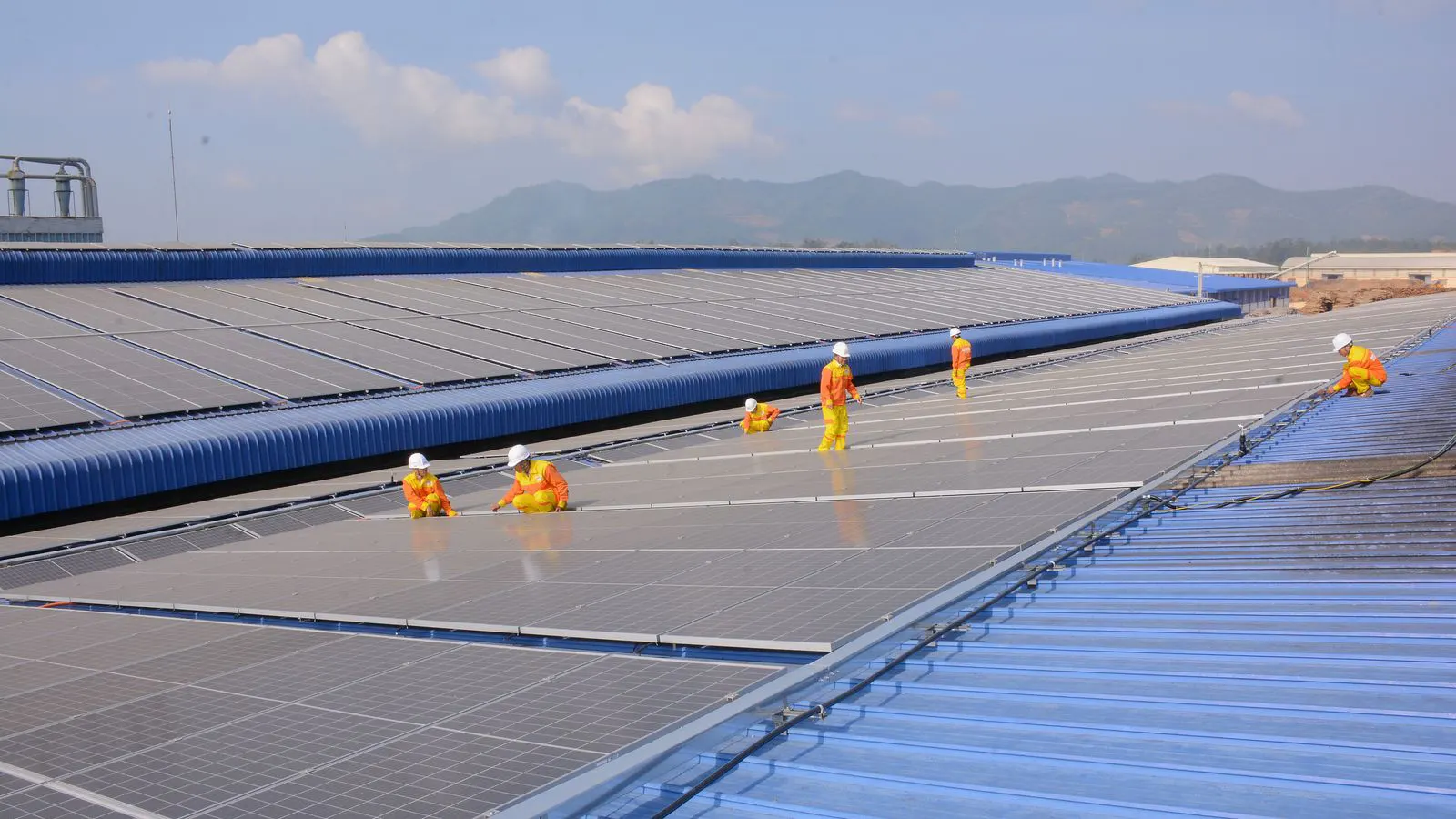
Ballasted roof racks use weight for stability and suit tile or metal roofs. Penetrating roof racks use mechanical fasteners and suit wood or concrete. Choose based on
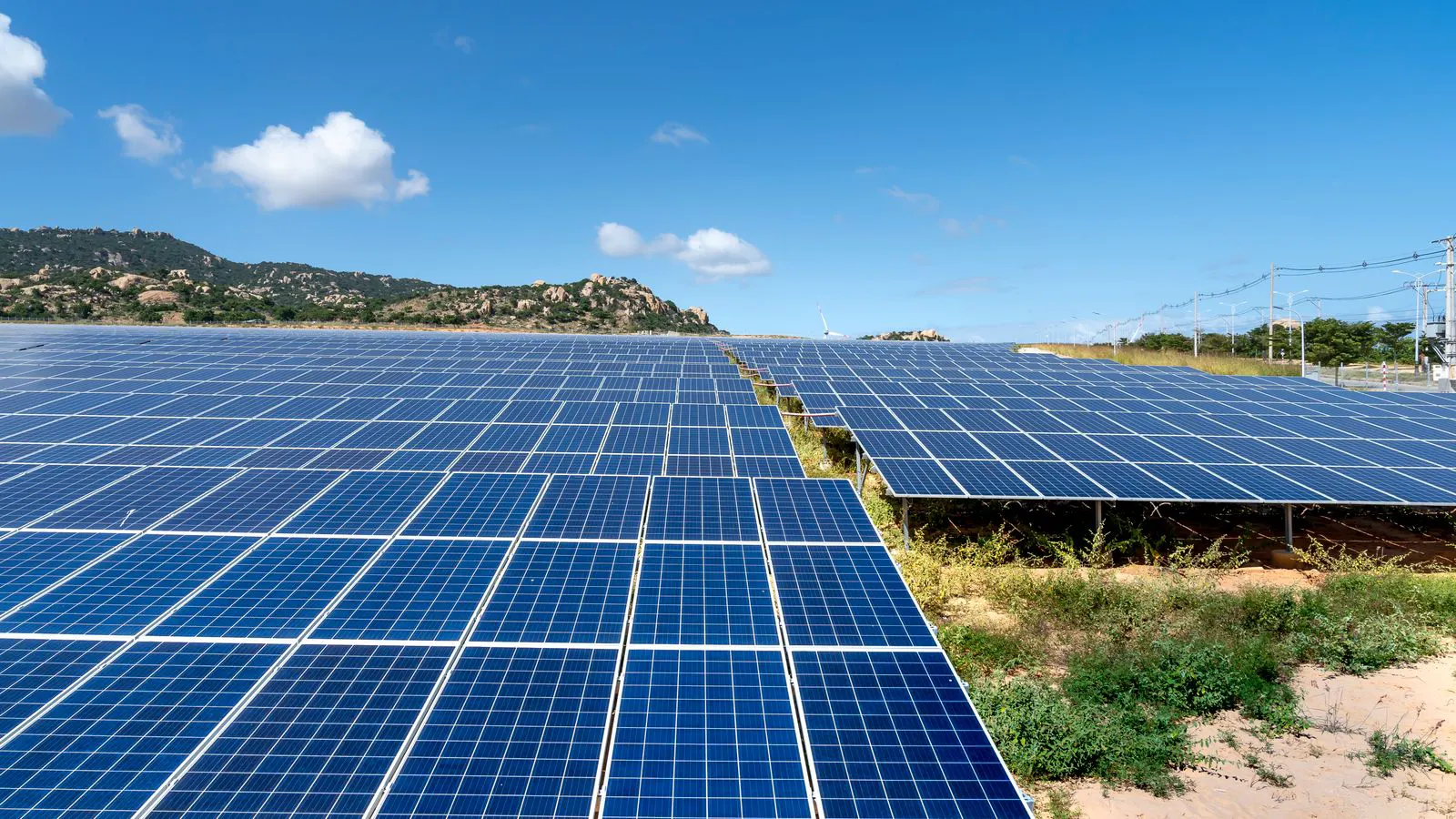
High wind coastal sites demand stronger ground mount racking and deeper coastal foundations. Buyers should plan for higher design loads, better drainage, and corrosion
A fixed roof mount uses static rails and clamps attached to the roof structure. A tracker uses a mechanical base that rotates or translates to follow the sun. Trackers require more structural analysis, higher maintenance, and more power for the drive mechanism.
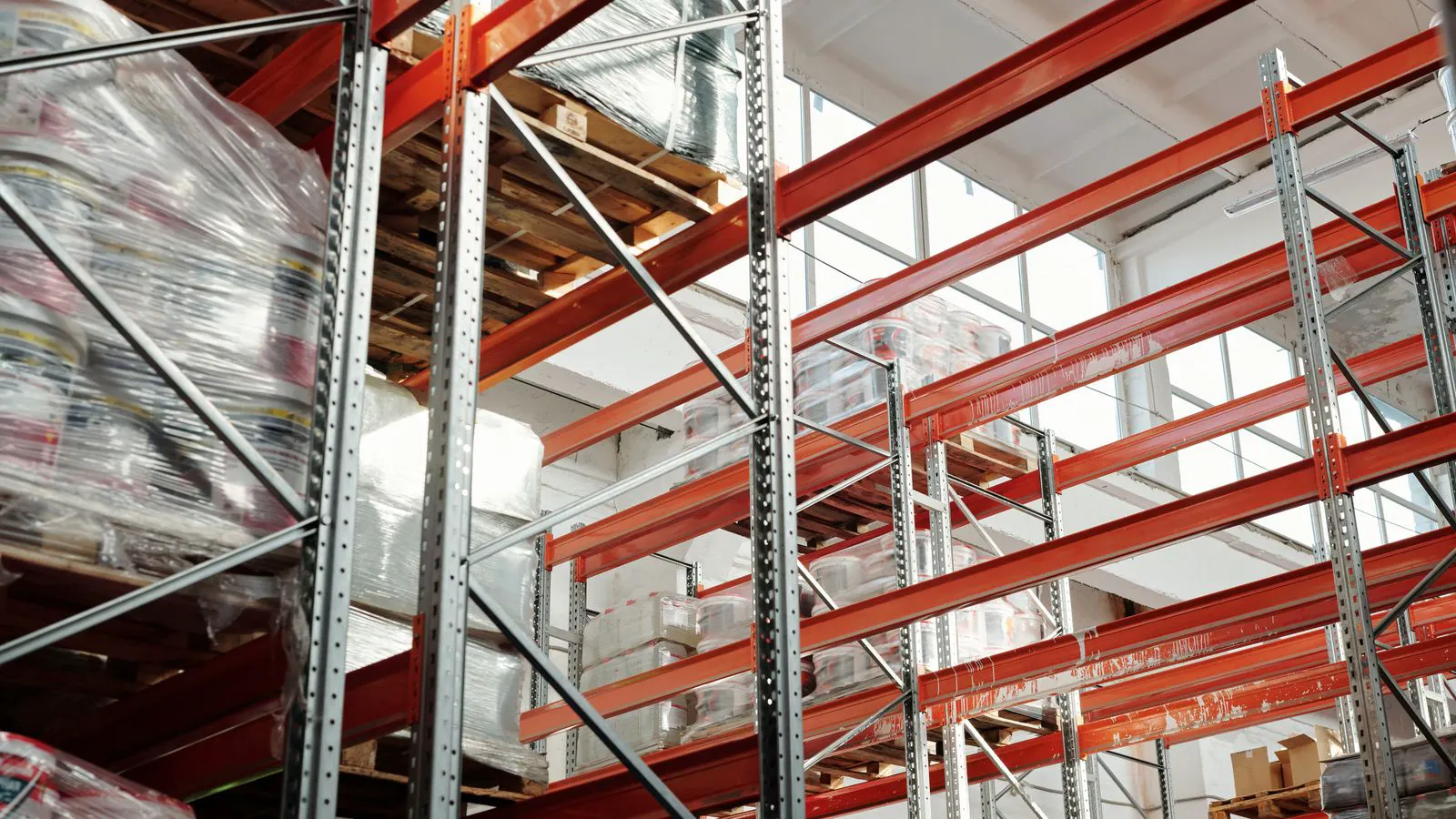
Steel offers high strength-to-weight ratio and lower material cost, but requires a corrosion protection system like hot-dip galvanizing or coating. Aluminum is lighter and resists rust, but is more expensive and has lower yield strength. The choice depends on soil conditions, transport limits, and long-term maintenance access.
Ask for the maximum design wind speed and pressure the system is certified for, along with the test standard used. Verify that the mounting hardware, not just the rail, is rated for that load. Check the orientation of the test, as wind on the front, side, and back of an array behaves differently.
Ballast relies on the weight of concrete or steel blocks to hold the structure down instead of driving piles. It works well on flat, non-porous surfaces like rooftops or gravel pads. It is often unsuitable for soft soil or areas where ground penetration is required for stability.
Request the structural analysis report, material mill certificates, coating inspection reports, and the warranty terms. Ask for the installation manual with torque specifications for every fastener. Also ask for the expected lead time and the terms for replacement parts.
Snow adds downward weight, which increases the stress on rails and anchors. It can also cause sliding on low-slope roofs, which requires additional friction or sliding control. The design must account for the maximum snow depth for the location, not just the average.