Cost and Lead Time: Concrete vs. Helical Piles
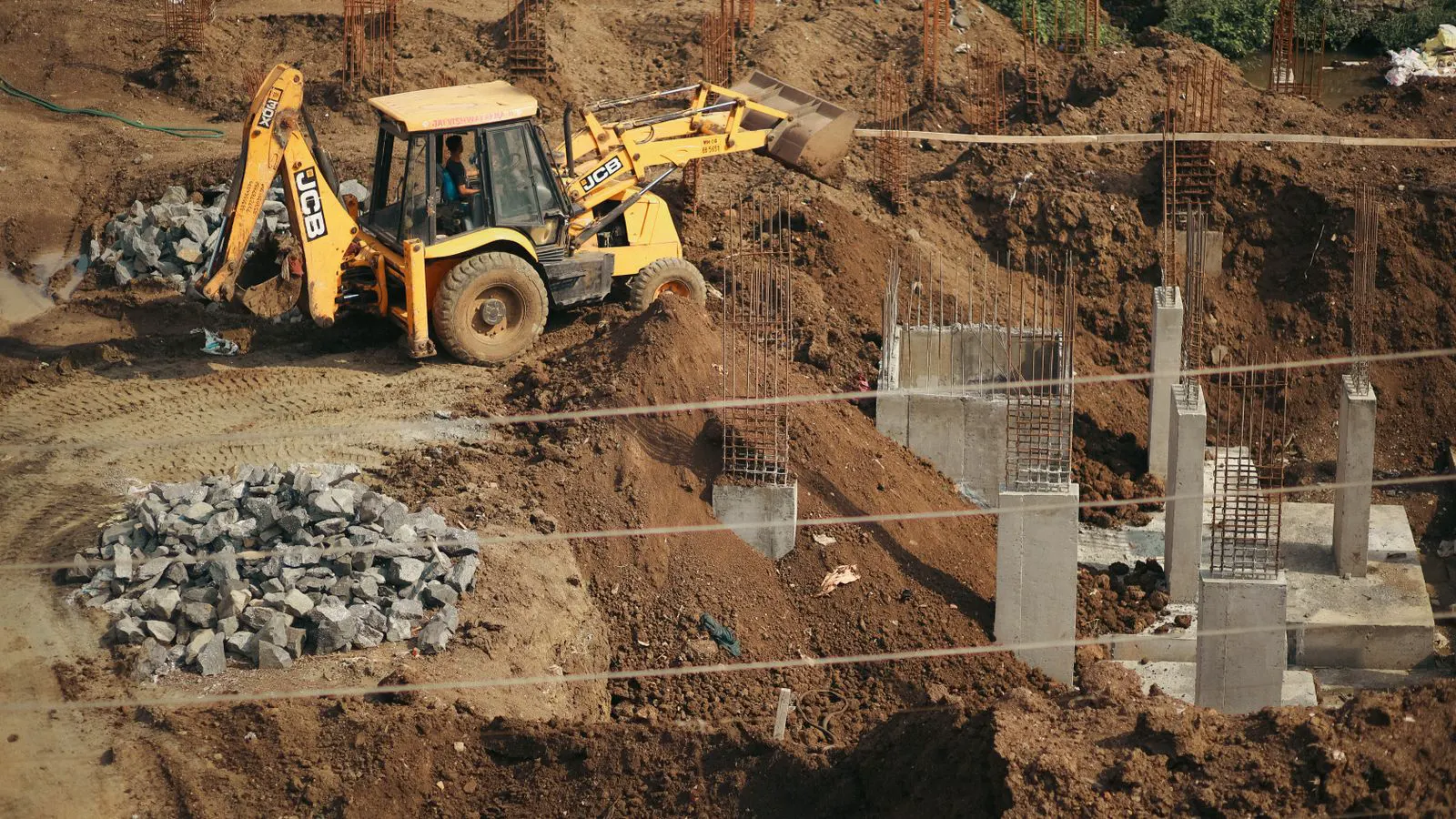
Concrete pads cost less per unit but require curing time and heavy equipment. Helical piles cost more per unit but install faster with lighter machinery. This guide breaks down the drivers of solar racking cost and lead time so you can build a fair solar project budget.
- Concrete foundations have a lower material cost but longer installation and curing lead times.
- Helical piles have higher unit costs but faster installation and less ground disturbance.
- A clear RFQ must specify soil conditions, pile depth, and load requirements to get comparable quotes.
- Compare quotes by total landed cost, including mobilization, curing, and testing.
- Site access and soil type often matter more to schedule than the material price.
The Core Trade-Off: Material Price Versus Installation Speed
The solar racking cost for the foundation is rarely just the price tag on the concrete or the steel pile. The real comparison happens when you add mobilization, excavation, curing, and testing to the material cost. Concrete pads are generally cheaper per unit. Helical piles usually cost more per unit. However, the total installed cost depends heavily on site conditions, equipment availability, and the speed required by the project schedule.
A developer looking at a flat roof or a site with shallow bedrock may find concrete pads economical. A site with rocky soil, steep slopes, or tight access windows may find helical piles the only viable option for the solar mount installation. The choice changes the solar project budget in ways that go beyond the foundation itself.
When you compare the two, the question is not which is cheaper in a spreadsheet. The question is which option delivers the system on the promised date without hidden change orders. A two-week delay in curing concrete can push back the entire racking installation. A helical pile driven into soft ground may require deeper drilling, increasing the cost per unit. You must price the foundation as a complete package.
What Drives the Solar Racking Cost for Foundations
Several factors move the price of concrete or helical piles. Soil composition is the biggest variable. Soft, granular soil allows concrete footings to be dug and placed quickly. Rocky soil requires blasting or mechanical digging, which raises labor and equipment hours. For helical piles, soft soil may require longer piles to reach stable ground, while hard soil may require larger diameter piles or specialized driving equipment to achieve the required pullout resistance.
Equipment access changes the cost structure. Concrete requires trucks, pump lines, and curing time. The site must accommodate these vehicles. If the site is remote or the road to the site is poor, the mobilization cost for concrete increases. Helical piles require a piling rig or a hydraulic hammer. These units are often mobile and can work in tighter spaces. However, the rig itself is a high-value asset. If the rig must travel long distances to your site, the daily rental rate adds to the total.
Labor rates and local availability also matter. In some regions, piling crews are scarce. In others, concrete crews are in short supply. The solar mount installation schedule depends on whether you can book the right crew for the right window. You should ask your subcontractor how many days they need to complete the foundation phase and what happens if they are delayed.
Lead Time: Curing Time Versus Driving Time
Lead time is often misunderstood. People focus on the time it takes to place concrete or drive a pile. They forget the time between those two events. Concrete requires a curing period. The concrete must reach the strength required to support the racking system. This period can take several weeks depending on the mix and the ambient temperature. During this time, the site may be blocked or the racking crew may have to wait.
Helical piles do not have a curing period. Once the pile is driven and the torque or pullout test passes, the racking can be attached. This allows a faster sequence. The racking crew can follow the piling crew closely, sometimes within the same week. For a solar project budget, this speed reduces the carrying cost of the site. It also reduces the risk of weather delays affecting the foundation phase.
However, driving time is not instantaneous. Each pile requires positioning, driving, and testing. If the soil is inconsistent, the driver may need to adjust the depth or the pile type. This can slow down the crew. A concrete pour can be done in a day for a large area, but the curing is fixed. A helical pile installation can be faster per unit, but the testing and inspection steps must be scheduled. You must build both timeframes into the master schedule.
How to Write a Clear RFQ for Comparable Quotes
A vague request for a quote will produce vague answers. If you ask for “solar racking cost” without specifying the foundation type, the subcontractor will assume the standard option. You must define the scope in the RFQ to get a fair solar project budget.
Include the soil report or at least the soil type. Specify the required pile depth or footing size. State the load requirements, including wind and snow loads. Mention the site access constraints. If the site is remote, note the road conditions. If the site is in a protected area, note any environmental restrictions. These details force the contractor to price the actual job, not a hypothetical one.
Ask for a breakdown of the cost. Do not accept a single lump sum. Request the cost for materials, labor, equipment, mobilization, and testing separately. This allows you to compare items across different bids. For example, one bid may have high labor but low equipment. Another may have low labor but high equipment. Only with a breakdown can you see where the money is going.
Also ask for the lead time. Request the number of days required for mobilization, installation, and curing or testing. Ask what happens if the soil conditions differ from the report. A good contractor will state their assumptions. If they do not, ask. The answer will tell you how much experience the contractor has with similar sites.
How to Compare Quotes Fairly
When you receive bids, do not just look at the total price. Look at the inclusions. One bid may include the testing certificates. Another may charge extra for the pullout test. One bid may include the removal of topsoil. Another may not. You need to compare the same scope.
Consider the schedule impact. A bid that is cheaper but has a longer lead time may cost more in the long run. If the project has a fixed interconnection date, a delay in the foundation phase can lead to liquidated damages. Include the cost of the delay in your comparison. A slightly more expensive foundation that saves two weeks may be the better choice for the solar project budget.
Check the warranty and liability. Concrete foundations have a structural warranty. Helical piles have a pullout resistance warranty. Understand what is covered. If the soil shifts, who is responsible? The foundation is the first point of contact with the ground. If the foundation fails, the entire racking system is at risk. Make sure the subcontractor takes responsibility for the ground conditions they test.
Common Mistakes in Foundation Costing
One common mistake is underestimating the mobilization cost. Contractors often quote the installation rate per pile or per footing. They forget to add the cost to move the equipment to the site. For a remote site, this cost can be significant. Ask for the mobilization fee separately.
Another mistake is ignoring the testing time. Concrete requires strength tests. Helical piles require torque or pullout tests. These tests take time and require specialized equipment. If the test fails, the pile must be re-driven or the footing re-poured. This adds cost and time. Build a contingency for testing failures into your schedule.
A third mistake is assuming that the soil report is accurate. Soil conditions can change from one part of the site to another. A report may show good soil, but a specific area may be rocky or wet. The contractor should be allowed to adjust the scope if the ground conditions are different. However, you must agree on the trigger for a change order in advance. If you do not, the contractor will charge for the work, and you will dispute the price.
Summary of Cost Drivers
The table below lists the main cost drivers for concrete and helical pile foundations. Use this list to check your RFQ and your bids.
| Cost Driver | Concrete Foundations | Helical Pile Foundations |
|---|---|---|
| Material Cost | Generally lower per unit | Generally higher per unit |
| Equipment | Trucks, pump lines, formwork | Piling rig, hydraulic hammer |
| Installation Time | Short pour, long curing | Long driving, no curing |
| Soil Sensitivity | High for depth, low for type | High for depth and type |
| Testing | Strength test | Torque or pullout test |
| Site Access | Needs heavy vehicle access | Needs rig access, can be tighter |
| Lead Time | Weeks for curing | Days for driving and testing |
This table shows that the two options have different cost profiles. Concrete is cheaper to buy but expensive in time. Helical piles are expensive to buy but cheap in time. Your final cost depends on how much you value time versus material.
Final Thoughts on the Foundation Choice
The choice between concrete and helical piles is not a simple price comparison. It is a schedule and risk decision. Concrete is a proven, low-cost option for stable, accessible sites. Helical piles are a flexible, faster option for difficult sites or tight schedules. The solar racking cost will be higher with helical piles in many cases. However, the solar mount installation may be faster and less disruptive.
For your solar project budget, define the site conditions, the schedule, and the load requirements before you ask for a quote. Write a clear RFQ that forces the contractor to price the actual job. Compare the bids on a like-for-like basis, including mobilization, testing, and lead time. The cheapest quote is not always the best quote. The best quote is the one that delivers the foundation on time, within budget, and with the right level of risk.
Frequently asked questions
Is concrete always cheaper than helical piles?
Concrete materials are usually cheaper per unit. However, the total installed cost depends on site access, soil conditions, and equipment availability. On a rocky or remote site, concrete can become more expensive due to excavation and mobilization.
How long does it take to install helical piles?
Helical piles can be driven in a short time per unit. The total lead time depends on the number of piles and the soil conditions. Testing each pile adds time. The racking crew can often follow the piling crew closely.
What is the main risk with concrete foundations?
The main risk is the curing time. Concrete must reach a specific strength before the racking can be attached. This period can take several weeks. A delay in curing can delay the entire solar mount installation.
How do I get a fair quote for solar racking cost?
Provide a clear RFQ with soil data, load requirements, and site access details. Ask for a cost breakdown including materials, labor, equipment, and mobilization. Request the lead time and testing procedures.
Which foundation is better for a rocky site?
Concrete foundations require digging in rocky soil, which can be slow and expensive. Helical piles can often be driven through rock or require less excavation. The choice depends on the specific rock hardness and depth.