
Trackers
Fixing Tracker Stalls and Drift Issues
Tracker stalls and drift usually stem from motor faults, encoder misalignment, or structural wear. This guide lists common symptoms, likely causes, and corrective
Review single-axis and dual-axis tracking systems, including torque, payload, and maintenance considerations.
Tracker stalls and drift usually stem from motor faults, encoder misalignment, or structural wear. This guide lists common symptoms, likely causes, and corrective
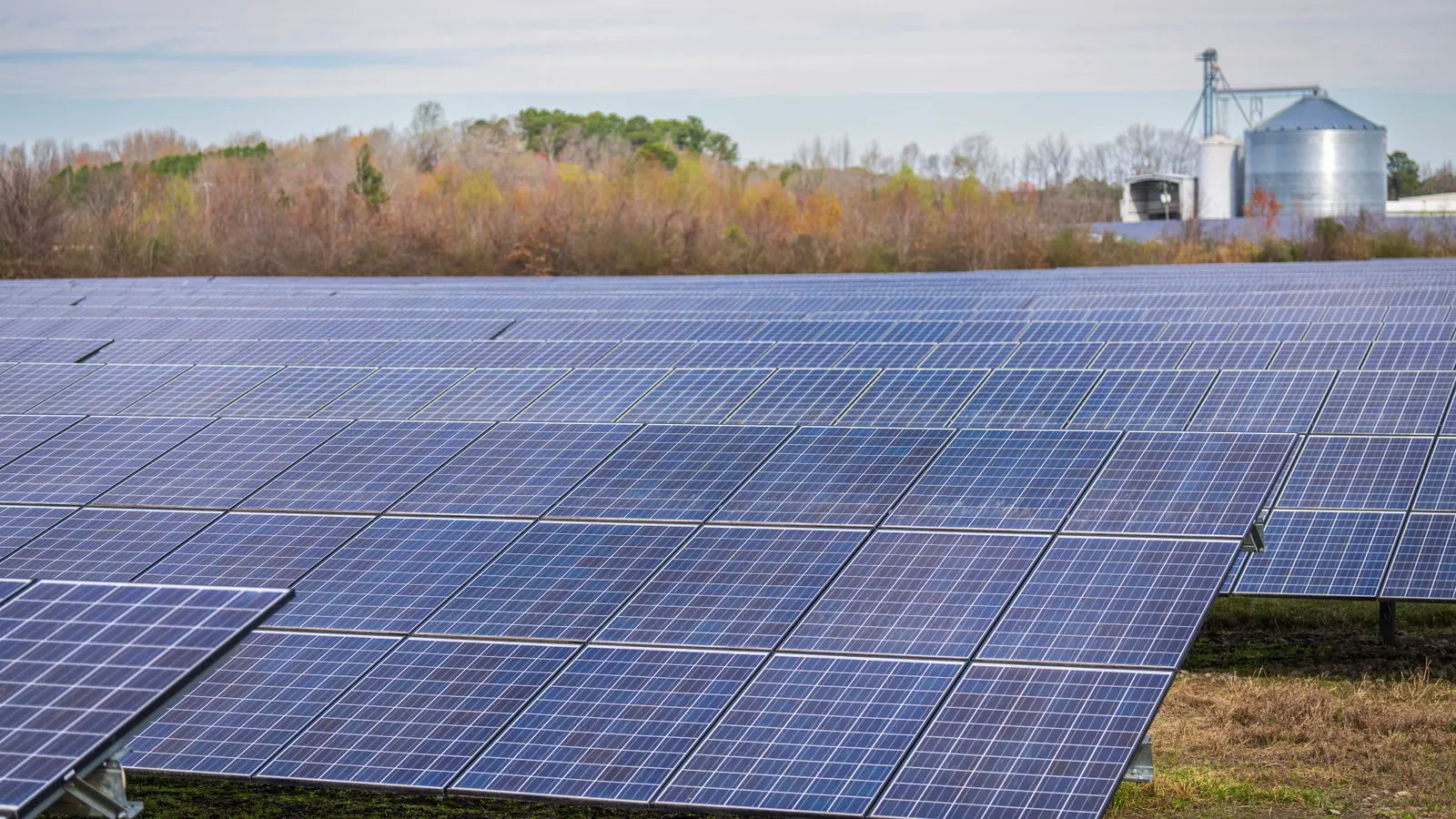
Selecting a solar tracker requires matching the system's torque and payload capacity to your specific site conditions. This guide explains how to evaluate these

Single axis tracking offers better cost per watt than dual axis systems but captures less peak energy. Dual axis trackers maximize yield per square meter by following

Lightweight solar tracking system designs are shifting toward high-strength composites, modular frames, and reduced mass ratios. Buyers should plan for lighter hardware
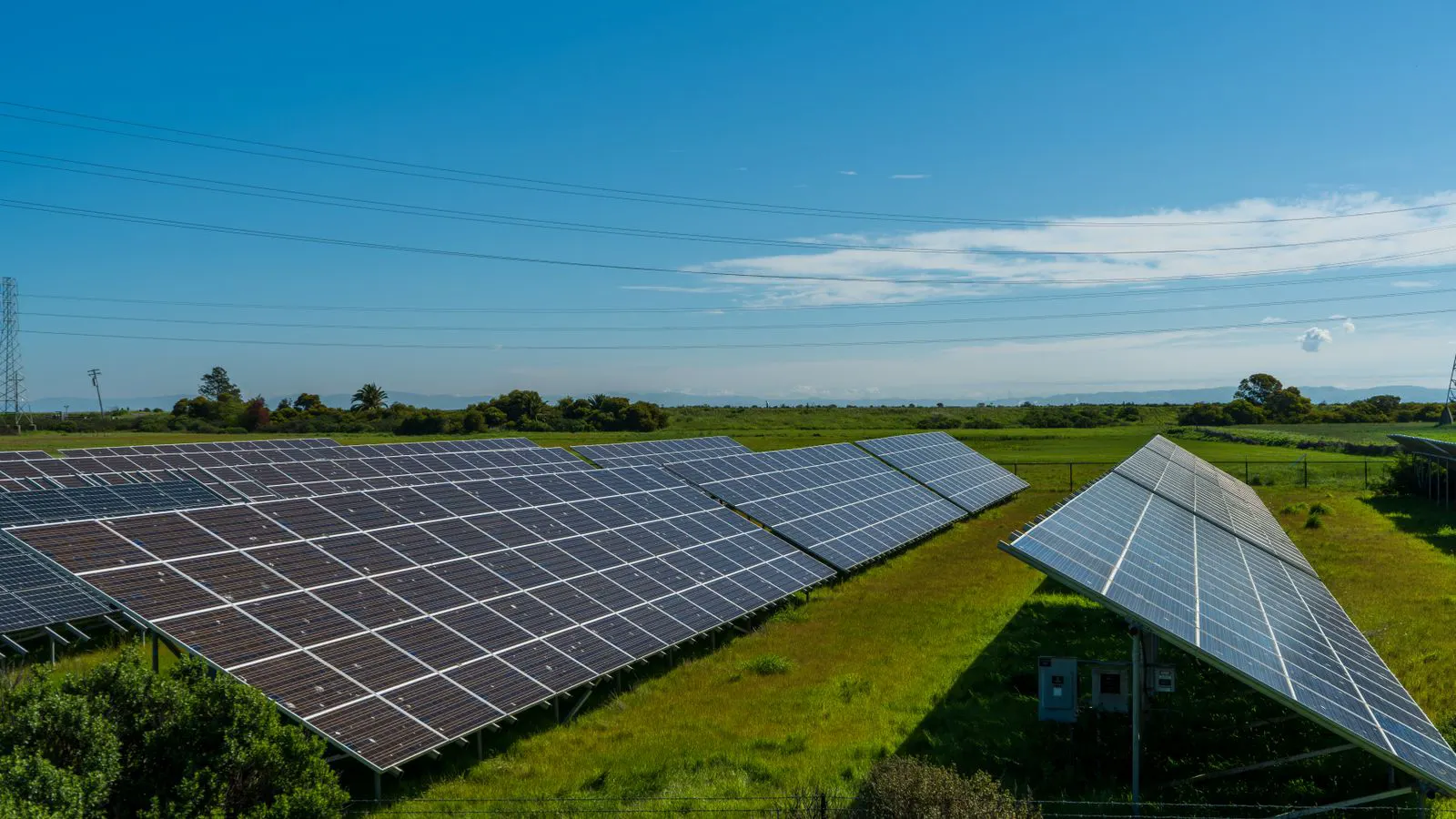
A tracker payload checklist ensures your solar array, motors, and racking meet structural limits. This guide provides a numbered audit of weights, wind loads, and
A dual axis tracker uses two independent axes to follow the sun's path across the sky, maximizing daily energy capture. This article explains the mechanical components
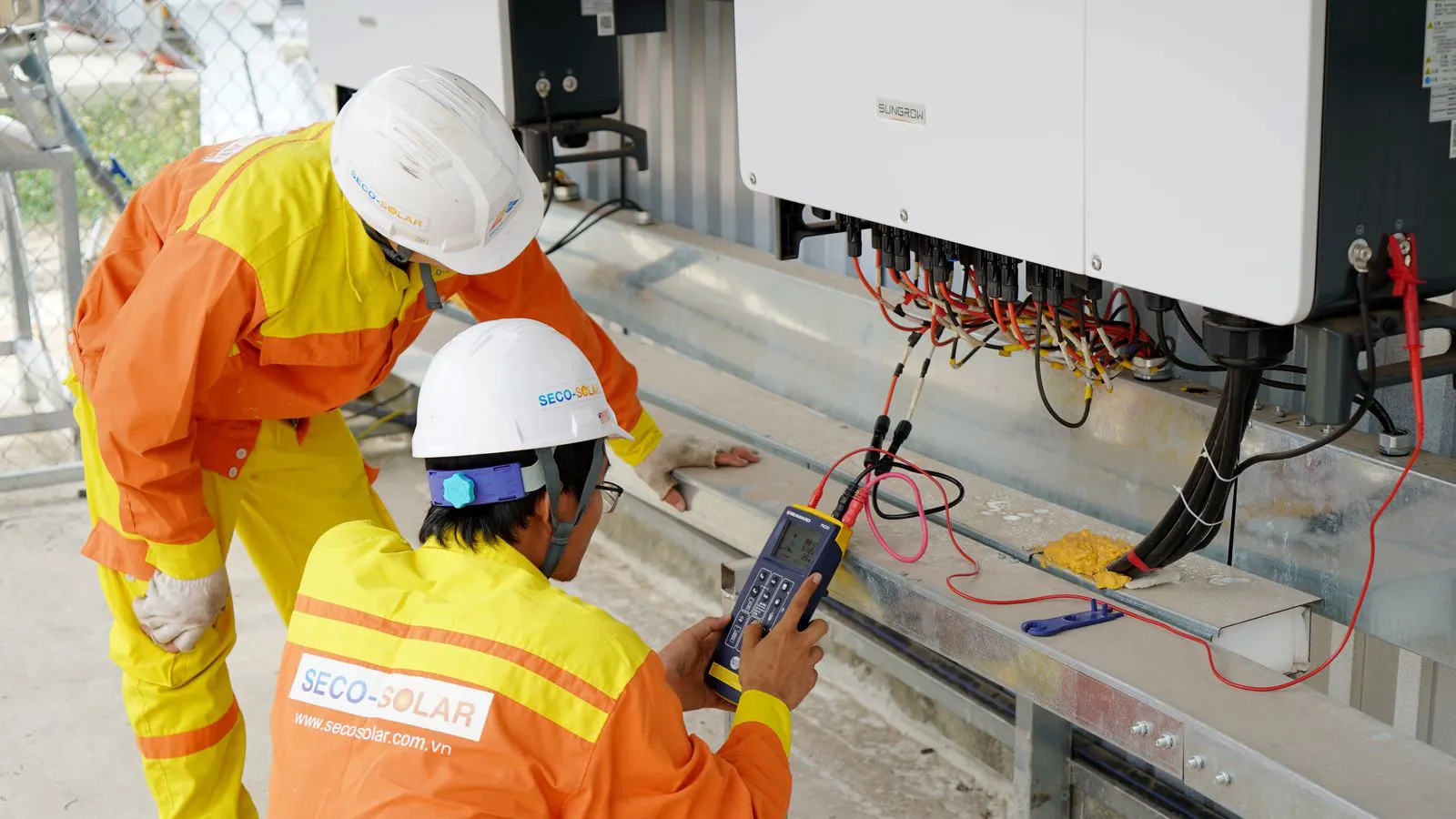
A single axis tracking installation requires careful site preparation, precise leveling, and secure anchoring. This step-by-step guide walks you through the physical