Buyers Guide: Evaluating Tracker Torque Requirements
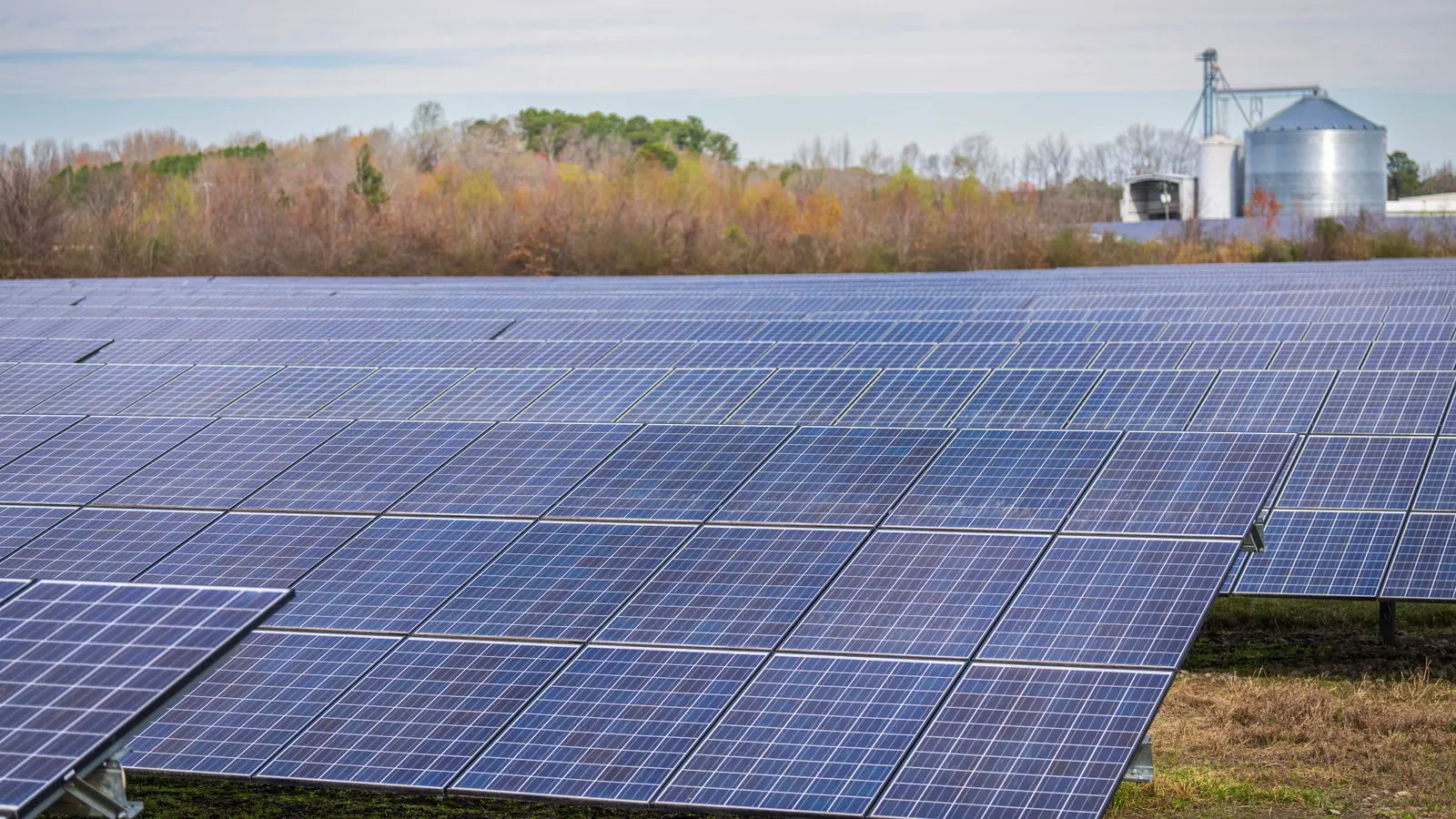
Selecting a solar tracker requires matching the system's torque and payload capacity to your specific site conditions. This guide explains how to evaluate these mechanical requirements, verify structural limits, and ensure your tracking infrastructure can handle panel weight, wind loads, and operational stress safely.
- Match tracker torque to the combined weight of the array and wind loads.
- Verify payload capacity against the total array weight, not just panel mass.
- Account for wind, snow, and seismic forces when sizing the drive mechanism.
- Use site-specific data to select the correct drive type and structural profile.
- Review manufacturer documentation for dynamic and static torque specifications.
Why Torque and Payload Capacity Drive Tracker Selection
The first step in choosing a solar tracker is understanding the mechanical forces it will face. A tracking structure must support the dead weight of the array while generating enough rotational force to move against wind resistance and friction. If the torque is too low, the system stalls or strains the motor. If the payload capacity is undersized, the structure deflects or fails under load.
Buyers often focus on energy yield or cost per watt. These factors matter. But mechanical integrity is the foundation. A tracker that cannot meet the torque requirements for a specific site will require constant maintenance or early replacement. The selection process begins with the physics of the installation site, not the marketing materials of the equipment supplier.
Determining the Total Payload of the Array
Payload capacity is the maximum weight a tracker structure can support. This figure is not just the mass of the photovoltaic modules. It includes every component attached to the structure.
The calculation must include the following items:
- Total weight of all photovoltaic modules.
- Weight of the mounting rails and clamps.
- Weight of the tracker structure itself, including the drive unit.
- Anticipated snow load or debris accumulation on the panels.
- Any additional hardware such as wiring, junction boxes, or cleaning equipment.
A common mistake is using only the panel weight in the calculation. This leads to an underestimated payload. For example, if the panels weigh 250 kilograms, the mounting hardware may add another 10 to 15 percent. Adding the structural components of the tracker pushes the total even higher. The selected tracker must have a rated payload that exceeds this calculated total with a safety margin.
Evaluating the Torque Requirements for Movement
Torque is the rotational force needed to turn the axis. The required torque is determined by the distance from the axis to the center of gravity of the array, the weight of the array, and the resistance of the drive system.
The formula for static torque is:
Torque = (Total Weight) x (Distance from Axis to Center of Gravity)
This static torque is the minimum force needed to hold the array in place. The actual required torque is higher because it must overcome:
- Friction in the bearings and gears.
- Wind loads pushing against the panel face.
- The inertia of the structure during acceleration and deceleration.
- Seismic or vibration forces in high-activity zones.
The drive unit must be rated for a torque that exceeds the maximum calculated load. If the drive is underpowered, the gears may slip, the motor may overheat, or the structure may fail to track correctly. This results in energy loss and mechanical damage.
Drive Types and Their Impact on Torque and Payload
The type of drive mechanism significantly affects the torque and payload characteristics of a solar tracker.
| Drive Type | Torque Characteristics | Payload Considerations |
|---|---|---|
| Direct Drive | High torque at low speed. No gearbox. | Best for high payload and low maintenance. |
| Gearbox Drive | Lower torque at low speed. Amplified by gears. | Good for moderate payload. Requires regular lubrication. |
| Hydraulic Drive | High torque capacity. | Suited for very heavy structures. Complex maintenance. |
| Linear Actuator | Torque generated through linear force. | Common in dual-axis systems. |
Direct drive systems use a large, low-speed motor. They provide consistent torque without the losses associated with gears. This makes them suitable for large arrays with high payload demands. Gearbox drives are more compact and can be cheaper. However, the gear ratio limits the available torque. If the ratio is not sufficient for the site’s wind conditions, the system may struggle during high-speed wind events.
The choice of drive must align with the site’s wind and snow profiles. A site with high wind exposure requires a drive that can maintain position without excessive current draw. A site with heavy snow loads requires a structure that can support the weight without excessive deflection.
Structural Profile and Material Selection
The physical structure of the tracker also influences its ability to handle torque and payload. The material and cross-section of the main axis determine the deflection under load.
Common materials include structural steel, aluminum, and composite profiles. Steel provides high strength and stiffness. It is heavier but resists bending well. Aluminum is lighter and easier to transport. It requires a larger cross-section to achieve the same stiffness as steel. Composite materials are used in some modern designs for corrosion resistance and weight reduction.
The main axis must be sized to limit deflection. Excessive deflection changes the angle of the panels, reducing energy yield. It also places additional stress on the bearings and the drive mechanism. Engineers calculate the maximum allowable deflection based on the length of the array and the material properties. A longer array requires a thicker or stiffer axis to maintain performance.
Site-Specific Factors That Affect Torque and Payload
The general specifications of a tracker must be adjusted for the specific site. Several environmental and logistical factors change the mechanical demands.
- Wind Speed: Higher wind speeds increase the load on the panels. The tracker must be able to rotate into a low-profile position during storms. The torque required to maintain this position increases with wind speed.
- Snow Load: Accumulated snow adds weight to the panels. In some regions, the snow load can exceed the weight of the panels themselves. The payload capacity must account for this seasonal weight.
- Seismic Activity: In areas with frequent earthquakes, the tracker must withstand lateral forces. This increases the torque requirements for the drive and the strength requirements for the structure.
- Terrain: Uneven ground or sloping sites can change the center of gravity. This affects the torque calculation. A level site is easier to model. A sloping site may require additional structural support or a different axis orientation.
Ignoring these factors leads to a system that performs poorly or fails. The torque and payload calculations must be based on site-specific data, not generic assumptions.
Verification and Documentation Review
Before purchasing, buyers must review the manufacturer’s documentation for torque and payload specifications. These documents should provide:
- Maximum static torque at the output shaft.
- Maximum dynamic torque during acceleration.
- Rated payload at the center of gravity.
- Maximum deflection under specified load.
- Wind speed ratings for different configurations.
The specifications are often provided in tables with different array lengths and panel types. Buyers should not rely on a single number. They must check the specifications for their specific array configuration. If the manufacturer does not provide detailed torque curves or load calculations, the buyer should request them or perform the calculations independently.
It is also necessary to verify the compatibility of the drive with the structure. A high-torque drive on a weak structure is a waste of money. A low-torque drive on a heavy structure is a safety risk. The torque and payload must be matched.
Decision Checklist for Tracker Selection
Use this checklist to evaluate potential solar tracker options against your site requirements.
- Calculate the total payload. Include panels, hardware, snow, and structure.
- Determine the torque requirements. Factor in friction, wind, and inertia.
- Check the structural deflection limits. Ensure the axis length and material meet the site’s wind loads.
- Select the drive type. Match the drive to the torque and payload needs.
- Review the manufacturer’s documentation. Verify the specifications for your specific configuration.
- Consider site conditions. Adjust for wind, snow, and seismic activity.
- Confirm maintenance requirements. High-torque systems may need more frequent bearing checks.
- Validate the safety margin. Ensure the system has a reserve capacity for unexpected loads.
Conclusion
Selecting a solar tracker is a mechanical engineering problem before it is a financial one. The torque and payload requirements define the limits of what the system can safely do. By calculating the total payload, evaluating the torque needs, and matching the drive and structure to the site conditions, buyers can avoid costly failures and ensure long-term performance. The goal is not to buy the most powerful tracker available. The goal is to buy the right tracker for the specific forces it will face. A well-matched system will run quietly, track accurately, and last for the life of the project.
Frequently asked questions
What is the difference between static and dynamic torque in a solar tracker?
Static torque is the force needed to hold the array in place. Dynamic torque is the additional force needed to accelerate or decelerate the structure.
How does snow load affect the payload capacity of a tracker?
Snow adds significant weight to the panels. The payload capacity must include the maximum expected snow load to prevent structural failure or deflection.
Is a higher torque rating always better for a solar tracker?
No. Excessive torque can damage the structure or bearings if the structural components are not rated for the force. The torque must be matched to the structure.
How do I calculate the torque required for my specific array?
Use the formula: Torque = (Total Weight) x (Distance from Axis to Center of Gravity). Then add a margin for friction and wind resistance.
What documents should I request from the manufacturer before buying a solar tracker?
Request the torque curves, payload specifications, deflection limits, and wind speed ratings for your specific array configuration.