How Zinc Coatings Protect Steel in Rain
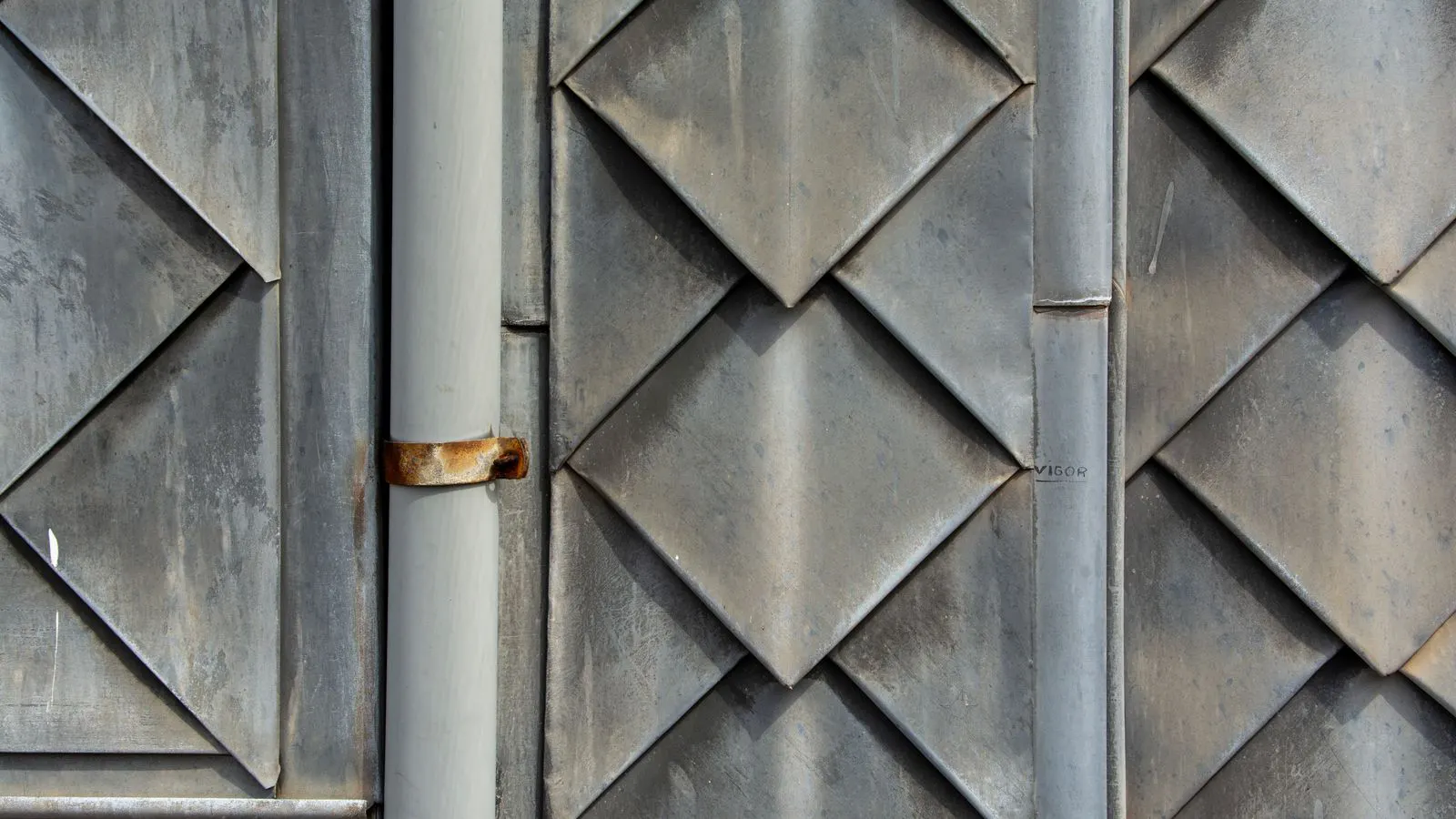
Zinc coatings protect steel racking by acting as a sacrificial anode. The zinc corrodes first, consuming oxygen and water, while the steel remains intact. This electrochemical process extends service life in rain and coastal humidity.
- Zinc coating corrosion occurs when zinc reacts with moisture and oxygen to form a protective oxide layer.
- The zinc layer acts as a sacrificial anode, shielding the steel substrate from direct attack.
- Coating thickness and edge treatment determine how long the sacrificial protection lasts in wet environments.
- Buyers should specify coating thickness and check for exposed steel at drilled holes or cut edges.
- Regular visual inspections help identify early signs of zinc depletion or coating breakdown.
The Electrochemical Basis of Protection
Rain, fog, and coastal humidity create the conditions that turn steel into rust. Steel is an alloy of iron and carbon. When iron atoms lose electrons, they become iron ions. In the presence of water and oxygen, these ions combine to form iron oxide, commonly known as rust. Rust is porous and does not seal the metal underneath. It continues to grow, consuming the steel from the inside out.
A zinc coating changes this reaction. Zinc is less electronegative than iron. In an electrochemical series, zinc has a more negative potential than steel. This means zinc gives up electrons more readily. When a zinc-coated steel part is exposed to moisture, the zinc layer acts as the anode. The steel becomes the cathode. The zinc dissolves into the environment as zinc ions. This process is called galvanic protection.
The key point is that the steel is not corroding. The zinc is. The zinc layer sacrifices itself to keep the iron protected. As long as the zinc layer is continuous and in direct contact with the water, it will continue to protect the steel. This is why zinc coating corrosion is a manageable and predictable failure mode in the right application.
How the Sacrificial Anode Process Works in Rain
Rain does not simply wash over the racking. It forms thin films of water on metal surfaces. These films contain dissolved oxygen, salts from the air, and sometimes acids from acid rain or industrial pollutants. This electrolyte allows current to flow between the zinc and the steel.
When the zinc layer is intact, the steel is electrically isolated from the environment. The zinc is the only part exposed to the electrolyte. The zinc atoms lose electrons and move into the water. Oxygen in the water gains these electrons. The reaction consumes the zinc and produces zinc oxide or zinc hydroxide. These products form a thin, adherent layer on the surface. This layer is not as protective as the original zinc, but it slows the rate of dissolution.
The sacrificial anode effect continues until the zinc layer is completely used up. At that point, the steel is exposed. Once the steel is exposed, the electrochemical protection is lost. The steel will now corrode at its natural rate. The time it takes to reach this point depends on the initial thickness of the zinc layer, the local environment, and the surface condition of the coating.
A practical example helps clarify this. Imagine a steel bracket mounted on a building roof. The bracket has a hot-dip galvanized finish. During a heavy rain event, water collects in the bracket holes. The zinc coating around the holes begins to react with the water. Over months, the zinc in the immediate area of the hole wears down. The steel under the hole is still protected, but the zinc layer is thinner. After several years, the zinc at the hole edge may be gone. The steel at that point begins to rust. The surrounding steel remains protected by the remaining zinc. This uneven wear pattern is typical of sacrificial protection in wet weather.
Factors That Affect Coating Longevity
Several variables control how long a zinc coating lasts in a wet environment. The most obvious is the thickness of the zinc layer. A thicker layer provides a larger reservoir of sacrificial metal. A thin electroplated layer will be consumed quickly in aggressive conditions. A thick hot-dip layer can last significantly longer.
The environment matters just as much. Coastal air contains salt, which is highly conductive and accelerates electrochemical reactions. Rain that has fallen through industrial areas may carry acids. Humidity without direct rain still promotes corrosion. In a dry, inland climate, the same zinc layer might last decades. In a coastal zone, the same part may show visible wear in a fraction of that time.
Surface preparation is another critical factor. Zinc adhesion depends on the steel being clean and free of oil, scale, and rust. If the steel substrate is dirty, the zinc may not bond properly. This creates microscopic gaps where water can reach the steel directly. At these points, the sacrificial protection is interrupted. The steel corrodes locally, and the zinc coating around that spot is consumed faster.
Edge treatment also plays a role. Steel parts are often drilled, cut, or bent after coating. These operations expose fresh steel. If the exposed edges are not recoated or sealed, they become weak points. The zinc around an unsealed hole will protect the steel, but the bare steel at the hole edge will rust. This creates a local galvanic cell where the zinc is consumed rapidly to protect the exposed steel.
Coating Types and Their Trade-Offs
Not all zinc coatings are the same. The main commercial types are hot-dip galvanizing, electroplating, and zinc spray. Each has different thicknesses, cost profiles, and failure modes.
Hot-dip galvanizing involves immersing steel in molten zinc. This produces a thick, irregular coating with good mechanical durability. It is the standard for structural steel racking. The thickness is measured in microns, and it can vary across the part. The coating is thick enough to survive handling and installation damage. It is also the most effective at sacrificial protection because of the large metal reserve.
Electroplating uses an electrochemical process to deposit zinc onto steel. The coating is thin, smooth, and uniform. It is often used for small parts or where appearance matters. The trade-off is longevity. In wet weather, a thin electroplated layer can be consumed quickly. It is not ideal for large structural members that need decades of service.
Zinc spray is a spray-applied coating. It can be used as a repair method or as a primary finish. It is flexible in application but thickness control is more challenging. It is often used to repair damaged areas or to coat complex geometries that are hard to dip.
The choice of coating type affects sourcing decisions. A buyer specifying hot-dip galvanizing should check the minimum thickness per part. A buyer specifying electroplating should confirm the thickness and the substrate preparation process. The difference in cost is not always proportional to the difference in service life. A thin electroplated part may cost less to buy but require earlier replacement. A thicker hot-dip part costs more upfront but reduces lifecycle risk.
Practical Inspection and Maintenance Checks
A zinc coating does not need to be perfect to work. It needs to be sufficient. Inspection focuses on thickness, adhesion, and exposed steel.
Thickness can be checked with a magnetic thickness gauge. This non-destructive test measures the distance between the magnet and the steel substrate. The gauge reads the coating thickness directly. Buyers should request coating thickness certificates from the fabricator. These documents should specify the minimum and average thickness per part.
Adhesion can be checked with a cross-cut test or a pull-off test. A small square is cut into the coating, and the adhesion is graded. If the coating lifts easily, it will not protect the steel. This is a red flag in the supply chain.
Exposed steel is the most common failure point. Drilled holes, cut edges, and welds are the usual suspects. A visual inspection under good light reveals these areas. Any rust spots on the steel indicate the zinc is gone. The extent of the rust determines whether the part can be repaired or must be replaced.
Maintenance in the field is simple. Touch up damaged areas with zinc-rich paint. This is not a permanent fix, but it extends the life of the part until a full recoating can be scheduled. In coastal environments, annual inspections are sensible. The goal is to catch zinc depletion before the steel is exposed.
Sourcing Decisions for Professional Buyers
When sourcing zinc-coated steel racking, the buyer must think beyond the initial price. The zinc coating is a performance attribute, not a cosmetic one. The coating protects the structural integrity of the racking. If the coating fails, the steel corrodes. If the steel corrodes, the racking strength drops. This is a safety and performance issue, not just an appearance issue.
Buyers should specify coating type and minimum thickness in the purchase order. They should require coating certificates with each shipment. They should inspect the first batch of parts for adhesion and edge condition. They should define acceptance criteria for rust or coating defects.
The environment of the installation should drive the specification. A site in a dry inland climate may tolerate a thinner coating. A site in a coastal or industrial zone requires a thicker coating and better edge protection. The buyer should consult with the engineer of record to match the coating specification to the service life requirement.
A worked example illustrates this. A project team is specifying racking for a solar array in a coastal region. The engineer requires a service life of thirty years. The fabricator proposes a hot-dip galvanized coating with a minimum thickness of one hundred microns. The buyer checks the coating certificate and confirms the thickness. The buyer inspects the first shipment and finds that the drilled holes have exposed steel. The buyer requests the fabricator to apply a zinc touch-up paint to the holes. The buyer also requests that the coating specification be updated to include a minimum thickness at all edges. This process ensures the coating will perform as intended in the wet coastal environment.
Long-Term Performance and Failure Modes
Zinc coating corrosion is a slow, predictable process. It does not fail suddenly. It wears down over time. The failure mode is a loss of sacrificial protection. Once the zinc is gone, the steel begins to rust. The rust is visible as orange or brown spots. These spots are the clearest sign that the coating has failed.
The rate of zinc consumption is influenced by the local environment. In high-humidity areas, the zinc wears faster. In areas with high salt content, the zinc wears even faster. In clean, dry air, the zinc wears slowly. The coating does not “run out” at a specific date. It wears at a rate that depends on the conditions.
The protective layer formed by the reaction products helps slow the process. Zinc oxide and zinc hydroxide form on the surface. These layers are not as protective as the original zinc, but they reduce the rate of further corrosion. This self-passivating effect is a key reason zinc is preferred over other coatings for long-term outdoor service.
If the zinc layer is damaged mechanically, such as by a tool during installation, the local area is exposed. The surrounding zinc will protect the exposed steel, but it will be consumed faster. This is why installation care matters. A single deep scratch can reduce the local coating thickness significantly. The buyer should include installation handling procedures in the project specifications.
In summary, zinc coating protection is a robust, electrochemical process that extends the service life of steel racking. The zinc acts as a sacrificial anode, corroding before the steel does. The process is effective in wet weather, but it depends on coating thickness, substrate preparation, and edge protection. Buyers who specify and inspect properly will see the full benefit of the coating over the life of the system.
Frequently asked questions
What is the main difference between zinc coating and paint?
Zinc coating is a metal layer that provides galvanic protection. Paint is a barrier coating that blocks moisture. If paint chips, the steel is exposed and rusts. If zinc chips, the surrounding zinc still protects the steel.
How does rain affect zinc coating corrosion?
Rain provides the electrolyte needed for the electrochemical reaction. Water, oxygen, and dissolved salts allow the zinc to dissolve and protect the steel. Without water, the reaction slows significantly.
What happens when the zinc layer is completely consumed?
The sacrificial protection is lost. The steel is exposed to the environment and begins to rust. The rate of rusting depends on the local conditions, but it will generally be faster than the rate of zinc consumption.
Can a damaged zinc coating be repaired?
Yes, small damaged areas can be repaired with zinc-rich paint or by applying a new zinc coating. The repair should cover the exposed steel and extend slightly onto the surrounding coating to ensure galvanic continuity.
What is the best coating for coastal solar racking?
A thick hot-dip galvanized coating is generally preferred for coastal applications. The thickness provides a large sacrificial reserve. Edge protection is critical, so buyers should specify treatment for drilled holes and cut edges.