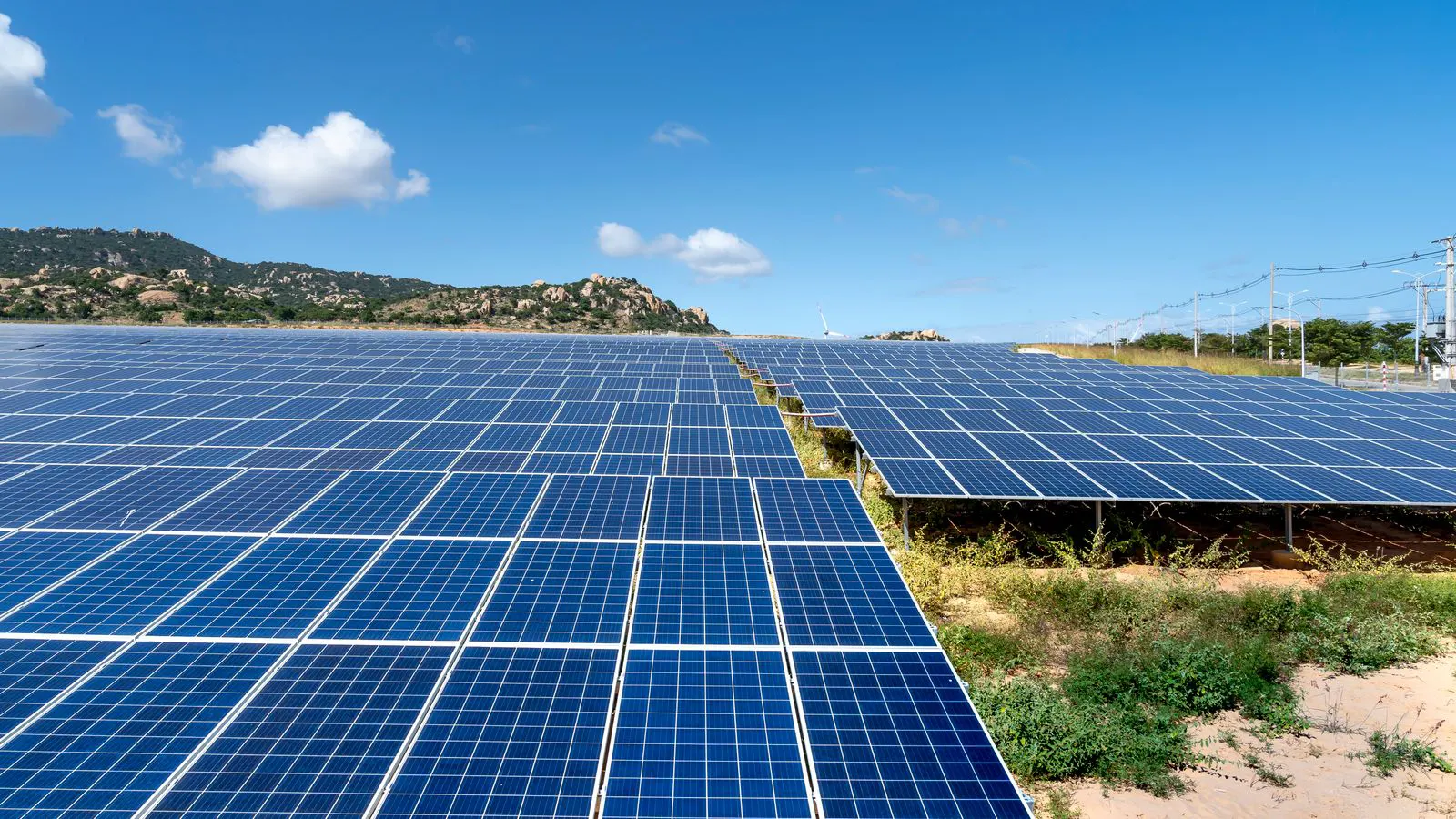
Fixed Tilt vs. Dual Axis Trackers: A Buyer Comparison
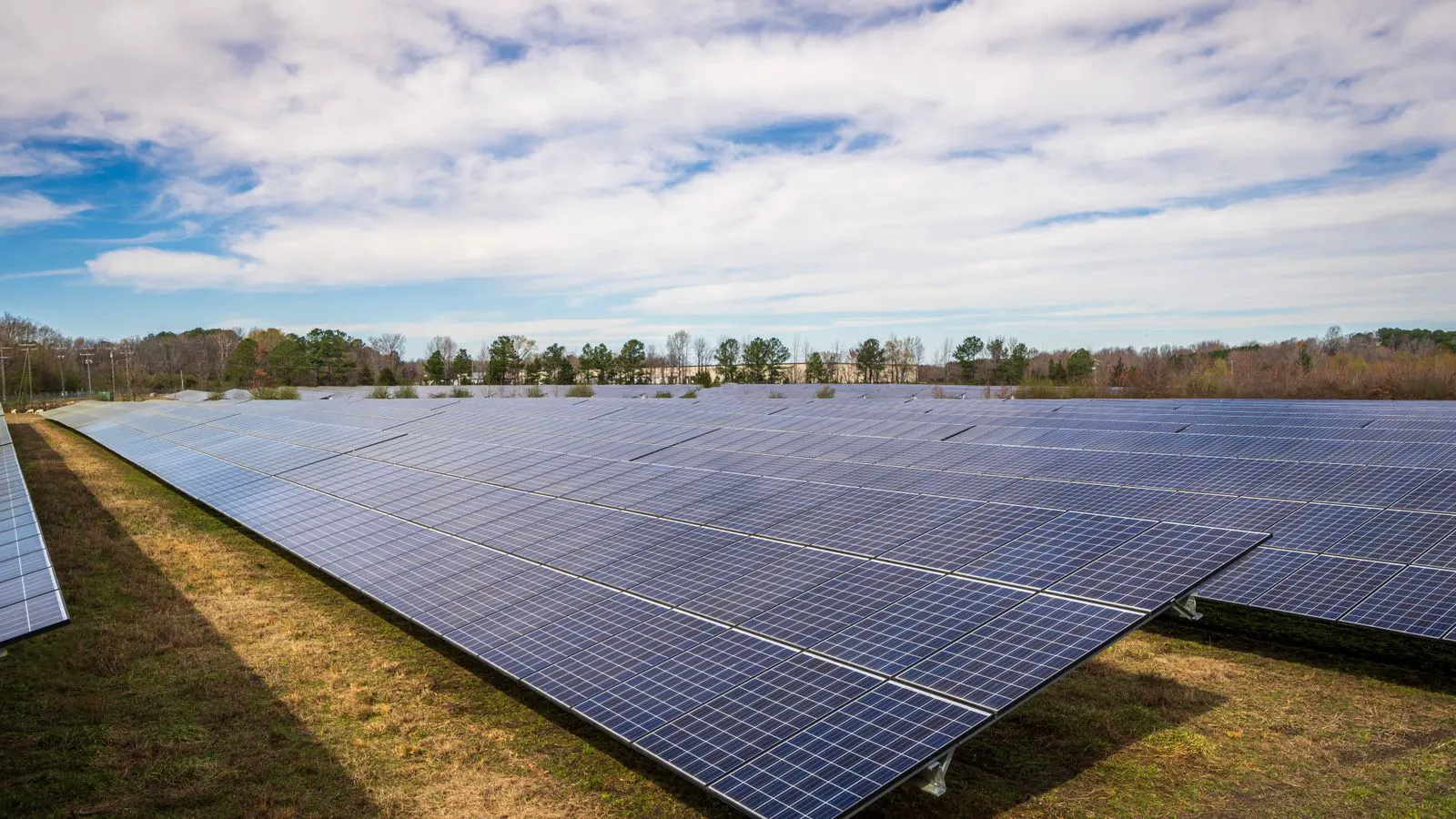
A dual axis tracker captures more peak power by following the sun, but it adds mechanical complexity and higher structural demands. Fixed tilt systems remain simpler and cheaper to maintain. The right choice depends on your yield targets, site constraints, and total lifecycle costs.
- Dual axis trackers capture more energy by tracking both azimuth and elevation.
- Fixed tilt systems offer lower maintenance and simpler foundation loads.
- Tracking efficiency depends on local sun angles, not just hardware capability.
- Structural and electrical design must account for moving parts.
- Commercial buyers should compare total lifecycle cost, not just hardware price.
What changes when you replace a fixed rack with a tracker
A dual axis tracker moves panels in two planes. It adjusts azimuth to follow the sun across the horizon and elevation to match the changing sun angle. The result is higher daily energy capture, especially in regions with significant seasonal variation. The mechanism shifts the entire array orientation, keeping the glass surface perpendicular to the solar vector as long as the sun is above the horizon. This continuous realignment captures light that a static rack would miss during early morning and late afternoon hours.
Fixed tilt systems hold panels at a static angle. Usually that angle matches the latitude of the site. They are simpler to build and inspect. The structure stays put. Maintenance focuses on fasteners, corrosion, and electrical connections. Because the structure does not move, the wind loads are relatively predictable and static. The engineering design relies on standard load cases rather than dynamic stress cycles.
The choice is not only about energy yield. A tracker changes the engineering load on the foundation. It changes the electrical string layout. It changes the site layout. It changes the inspection routine. The integration of moving parts into a static power generation facility introduces new variables for the owner, the engineer, and the installer.
How tracking efficiency differs from fixed yield
Tracking efficiency is the ratio of energy captured by the tracker to the energy captured by an optimally fixed array. In practice, trackers produce more energy than fixed arrays because the panels stay closer to perpendicular to the sun rays for more of the day. The fixed array captures peak output around solar noon but loses efficiency quickly as the sun moves toward the horizon. The tracker maintains a higher angle of incidence throughout the day, smoothing the output curve and extending the period of effective generation.
The gain is not uniform. At midday, a fixed array is already near optimal. The extra benefit appears in the morning and evening. In winter, when the sun is low, the elevation adjustment matters most. The tracker tilts the panels to catch the low winter sun, which a fixed latitude-tilted rack often underutilizes. In summer, the azimuth movement spreads the peak over a longer period. The array tracks the sun from east to west, avoiding the shadowing effects that occur when the sun is at a steep angle relative to the rack.
Site location shapes the gain. A flat site with unobstructed views favors tracking. A site with shading from trees, hills, or nearby structures may limit the effective tracking range. A tracker that cannot move freely loses much of its advantage. If the tracking path intersects with a neighboring array or a building, the system may clamp or slow down to prevent collision. This restriction reduces the total energy captured compared to an unobstructed site.
Structural and foundation implications
A moving structure behaves differently from a static one. The tracker head carries the panel weight. The base carries the wind load. The pivot points experience repeated stress. The pivot mechanism, often a large bearing or a series of rollers, undergoes millions of cycles over the life of the asset. These cycles induce fatigue in the metal components. The design must account for the fatigue life of the structural elements, not just the static strength.
Fixed mount foundations are designed for static wind pressure. Tracker foundations must handle dynamic loads. The base plate must resist overturning forces as the array rotates. The soil bearing capacity must support both the dead load and the reaction forces at the pivot. The reaction forces change direction and magnitude throughout the day. The foundation must be strong enough to handle the maximum torque generated by the wind acting on the tilted array.
In high wind coasts, the design margin matters. A tracker may need deeper piles or larger footings. The cost difference shows up in civil works, not in the tracker hardware. The concrete volume and the rebar quantity increase significantly. The installation sequence is more complex. The piles must be driven or poured to exact tolerances to ensure the pivot aligns correctly with the array head. Any deviation in the foundation geometry can cause binding in the tracker mechanism, leading to premature failure.
Maintenance and operational complexity
Trackers have more parts. The drive mechanism uses motors, encoders, and control electronics. These parts wear. They need lubrication. They need monitoring. The drive motors generate heat during operation. The encoders provide position feedback to the controller. If the encoder drifts or fails, the tracker cannot maintain accurate sun tracking. This results in energy loss and potential mechanical stress if the system attempts to correct position incorrectly.
Fixed tilt systems have fewer moving parts. The main failure modes are corrosion and loose fasteners. A visual inspection takes less time. A spare parts inventory is smaller. The maintenance contract is simpler to write and manage. The owner does not need to hire specialized technicians with mechanical and electrical expertise to service the array.
The tracker control system also adds a layer of complexity. Software updates, sensor calibration, and fault diagnostics are part of the owner’s responsibility. A fixed array does not require software updates for operation. The tracker controller manages the sun path, wind speed, and safety limits. It must communicate with the grid-tied inverters to ensure the array operates within electrical limits. A software bug or a communication failure can stop the tracker from moving, leaving the array in a suboptimal position. The owner must have a plan for troubleshooting and remote monitoring to minimize downtime.
Commercial factors for buyers
Buyers often compare hardware price first. That is the wrong number to start with. The tracker unit price is only one input. The total cost includes foundations, electrical design, civil works, installation labor, and long-term maintenance. The civil works for a tracker can be two to three times the cost of a fixed mount foundation. The installation labor is higher because the tracker assembly requires specialized tools and training. The cranes and lifting equipment needed for the pivot installation add to the project cost.
A fixed tilt system may have a lower installed cost per watt. A dual axis tracker may have a higher installed cost but also a higher energy output. The levelized cost of energy depends on the net result after years of operation. The buyer must model the energy production over the project life and compare it against the additional capital expenditure. The energy price fluctuates over time. A high energy price favors the higher yield of the tracker. A low energy price may favor the lower capital cost of the fixed system.
Lead time is another factor. Tracker supply chains can be longer. Custom foundation work can add weeks. A fixed mount system is easier to standardize. That makes it easier to schedule. The tracker motors and controllers are often made to order or produced in batches. The delivery time can extend the project timeline. The fixed mount racks are usually available from standard inventory. This speed to market is a significant advantage for developers with strict financial closing dates.
When to choose each option
The table below summarizes the trade-offs. Use it as a starting point for your evaluation.
| Option | Best for | Limitations |
|---|---|---|
| Dual axis tracker | Sites with unobstructed views and high yield targets | Higher structural loads, more maintenance, longer lead time |
| Single axis tracker | Sites with moderate yield goals and lower budget | Less gain than dual axis, still requires moving structure |
| Fixed tilt | Cost-sensitive projects and simple site layouts | Lower energy capture, fixed orientation limits seasonal gain |
| Adjustable tilt | Sites with seasonal operation or low-cost upgrades | Manual adjustment, less automation, higher labor for repositioning |
Pick a dual axis tracker when your site is open and your yield target is high. The extra energy can offset the added cost over time. The tracking efficiency gain is strongest in locations with a wide seasonal range of sun angles. The high capital cost is justified by the increased kilowatt hours generated per year. The owner must be prepared to manage the higher operational complexity.
Pick a fixed tilt system when cost control is the priority. The structure is simpler. The foundation is simpler. The maintenance routine is shorter. The energy output is lower, but the total cost may be lower as well. This option suits developers who need a quick return on investment or who are bidding on projects with strict cost ceilings.
Pick an adjustable tilt system when you need seasonal flexibility without full automation. It is a middle ground. It requires manual work to change the angle. It is useful in sites where winter and summer performance matters but a full tracker is not justified. The owner can tilt the array to match the sun angle in winter and reset it for summer. This manual adjustment captures more energy than a fixed tilt but does not require the cost of a moving structure.
Design checks before you commit
Run the numbers before you sign. Calculate the expected energy yield for both options. Include the tracking efficiency and the fixed tilt yield. Compare the installed cost per watt. Then project the lifecycle cost. The lifecycle cost includes the initial capital, the annual operation and maintenance, and the value of the electricity sold. The discount rate used in the calculation significantly affects the result. A lower discount rate favors the higher yield of the tracker. A higher discount rate favors the lower initial cost of the fixed system.
Check the site layout. A tracker needs clearance for movement. The spacing between rows must allow the full rotation. In a fixed array, the row spacing is set by shading at the fixed angle. In a tracker, the spacing depends on the tracking range. The tracker rows must be far enough apart to prevent one row from shading the next during its full rotation. This often increases the land footprint of the project. The developer must verify that the site has enough usable area to accommodate the wider spacing.
Check the electrical design. A tracker may have more panels per string. The string length affects the inverter selection. The cable routing must allow for movement. The cables connecting the panels to the inverter must have slack to accommodate the array’s motion. A fixed array has a more static electrical layout. The cables can be tensioned and secured without worrying about movement. For the tracker, the cable trays must be designed to flex or have ample length to prevent strain on the connectors.
Check the foundation. The soil report must support the dynamic loads of the tracker. The pile depth and footing size must match the wind loads. A fixed mount foundation may be smaller. A tracker foundation may need more concrete and steel. The soil report must specify the bearing capacity and the shear strength of the soil. The engineer must use these values to design the pile driving depth and the footing dimensions. The dynamic loads from the tracker can cause settlement in soft soils. This settlement can misalign the pivot and cause mechanical damage.
Final decision checklist
- Define the yield target in kilowatt hours per watt per year.
- Compare the installed cost for each option, including civil works.
- Review the maintenance plan and spare parts list.
- Confirm the site layout supports the tracking range.
- Verify the foundation design for dynamic loads.
- Check the lead time for hardware and installation.
- Model the lifecycle cost over ten years.
The decision is not about picking the more advanced option. It is about matching the option to the site and the business case. A dual axis tracker is not always the best choice. A fixed tilt system is not always the only choice. The data decides. The site conditions, the budget, and the yield requirements must align to justify the selected mounting system.
Frequently asked questions
How much more energy does a dual axis tracker produce than a fixed tilt system?
The gain depends on location and site conditions. In general, trackers produce more energy than fixed arrays because they keep panels aligned with the sun for longer. The difference is larger in areas with strong seasonal variation.
Is a dual axis tracker worth the higher cost?
It can be, if the site is open and the yield target is high. The extra energy can offset the added hardware and foundation costs over time. For cost-sensitive projects, a fixed tilt system may be more economical.
What are the main maintenance differences?
Trackers have motors, encoders, and control electronics that need regular checks. Fixed tilt systems have fewer moving parts and simpler inspections. Tracker maintenance is more frequent and more specialized.
Can a tracker be installed on the same foundation as a fixed mount?
Not always. A tracker foundation must handle dynamic loads and overturning forces. A fixed mount foundation is designed for static loads. The foundation size and soil requirements may differ.
What site conditions favor a fixed tilt system?
Shaded sites, tight layouts, and cost-driven projects favor fixed tilt. If the site has obstructions or limited space, a tracker may not reach its full potential. A fixed array is simpler in those cases.