How to Choose Racking Materials for Coastal Zones
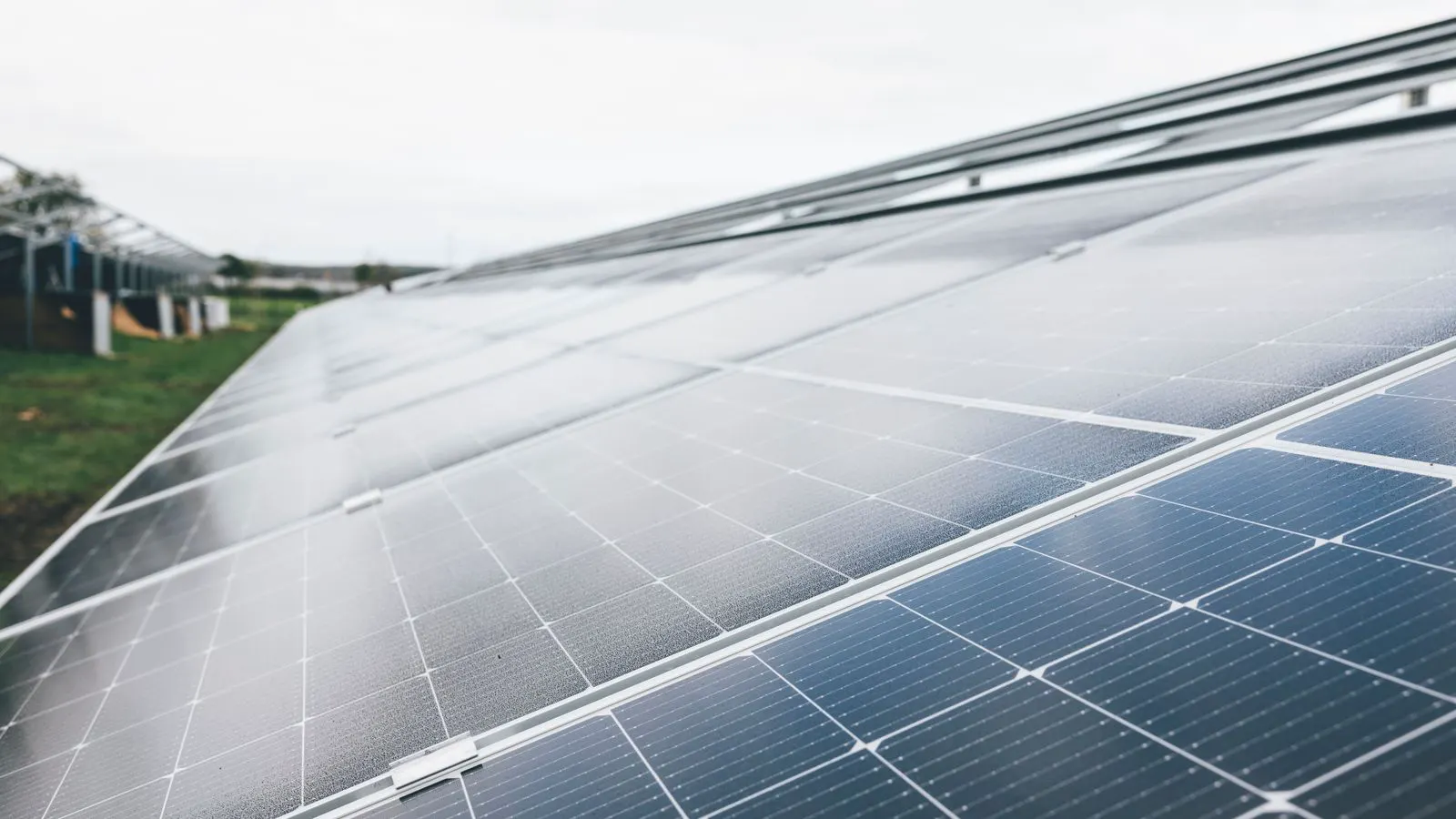
To choose racking for coastal sites, prioritize materials with high salt resistance, such as composite solar mount options or high-grade aluminum. Verify coating integrity, structural load ratings, and fastener compatibility to prevent early corrosion and ensure long-term stability in salty environments.
- Salt air accelerates corrosion on standard steel and lower-grade aluminum.
- Composite solar mount materials offer strong resistance to salt exposure without heavy maintenance.
- Fasteners and connectors are often the first failure point in coastal installations.
- Verify coating thickness and substrate material before approving material specifications.
- Regular visual inspections are required to catch early signs of coating damage.
Why Coastal Environments Demand Different Racking Materials
Standard racking specifications assume inland conditions. Coastal sites introduce constant humidity, salt spray, and UV exposure, which interact with metal surfaces and coatings. This environment degrades protective layers faster and attacks base metals, especially if any coating defect exists.
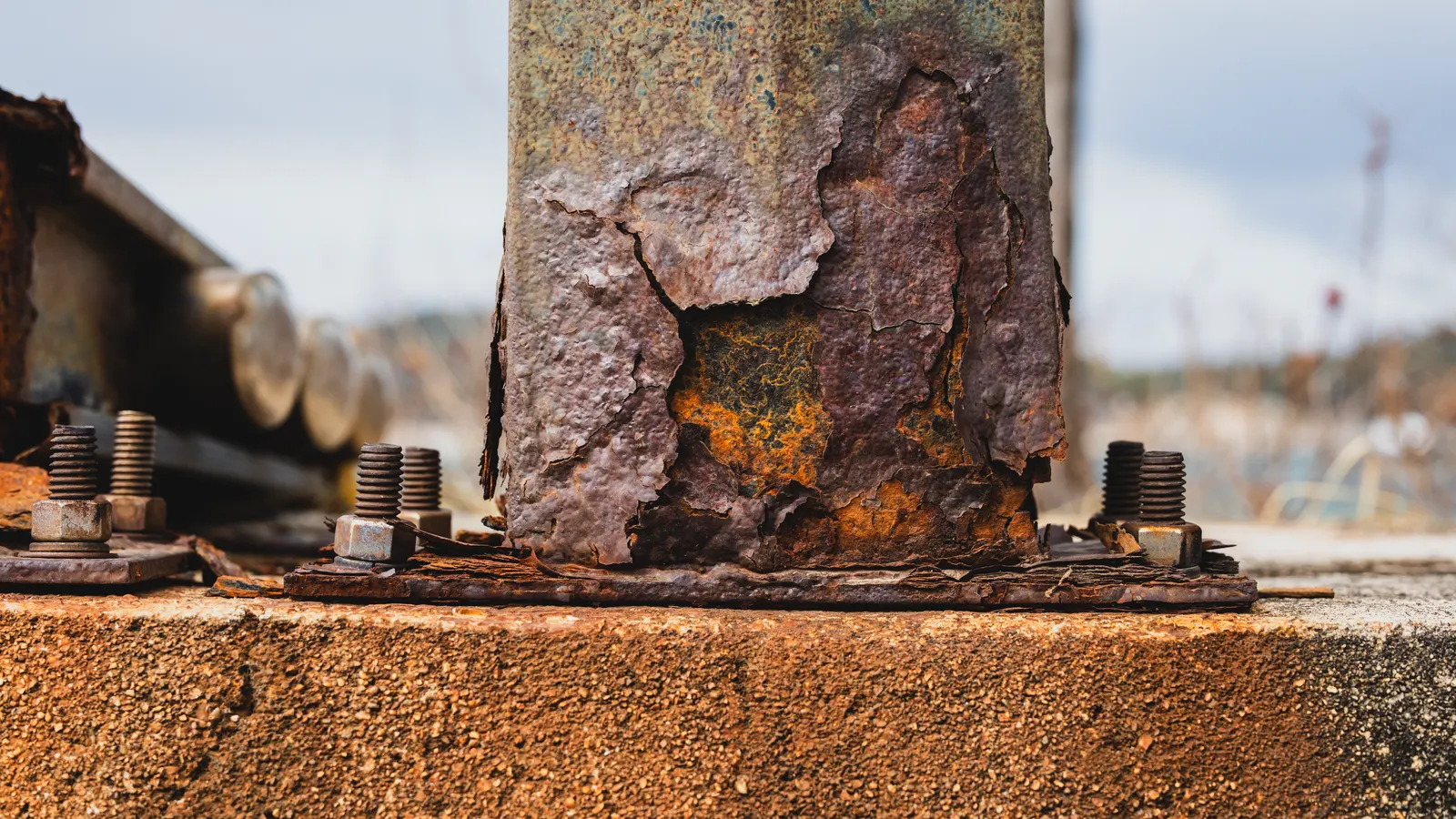
When selecting racking for these zones, the primary concern is long-term material integrity. A standard galvanized steel frame may look fine during the first few years, but micro-pitting can begin beneath the surface. Aluminum resists this better, but even it can suffer from pitting if the alloy grade is not suited for marine exposure. Composite solar mount systems address this by using polymer-based materials that do not oxidize or corrode in the same way metals do.
The choice of material affects not only lifespan but also maintenance costs and structural reliability. A failed mount can compromise the entire array, leading to downtime and expensive replacements. The following steps outline a practical method for selecting the right material for high-salinity sites.
Step 1: Define the Specific Environmental Exposure
Identify the exact location and its distance from the waterline. Proximity matters. Sites within a few hundred meters of the ocean face direct salt spray. Inland coastal areas may experience salt-laden winds but not direct splash. This distinction changes the required material grade.
Check local wind speed data and expected UV index. High wind speeds increase the kinetic energy of salt-laden particles, which can abrade coatings. High UV exposure breaks down polymer binders in some composites. Write down these factors. They form the baseline for material selection.
Reason: Exposure defines the threat level. A material adequate for a beachfront installation may be overkill for a coastal city, and vice versa. Matching the material to the specific threat prevents cost overspend and performance shortfalls.
Step 2: Evaluate Base Material Corrosion Resistance
Compare the base material’s inherent resistance to salt air. Standard carbon steel is highly reactive. Zinc coating on steel slows this down, but it is sacrificial. Once the zinc depletes, the steel underneath rusts rapidly. Aluminum is more resistant, but standard 6061 alloy, common in racking, can suffer from pitting in severe salt environments.
Look for higher-grade alloys or specialized coatings. For steel, hot-dip galvanized with a polyvinyl chloride (PVC) topcoat provides better protection. For aluminum, 5052 or 6006 alloys offer better corrosion resistance than 6061. Composite solar mount materials, often made from high-density polyethylene (HDPE) or glass-filled nylon, do not rust or corrode. They are chemically inert to salt.
Reason: Base material resistance determines the starting point of durability. A composite mount eliminates the base metal corrosion problem entirely, shifting the focus to structural integrity and coating compatibility.
Step 3: Assess Coating Integrity and Thickness
If using metal, inspect the coating specifications. Coating thickness is a key indicator of longevity. A thin electroplated zinc layer offers minimal protection. Hot-dip galvanizing, with a thicker layer, is standard for coastal applications.
Check for coating defects. Porosity in the zinc layer allows salt to penetrate. Incomplete coverage on complex shapes, such as bolt heads or internal channels, creates weak points. For composite materials, examine the surface finish. UV stabilizers in the resin are critical. Without them, the surface becomes brittle and cracks.
Reason: Coating is the first line of defense for metals. For composites, the surface chemistry is the defense. Understanding these layers helps in predicting maintenance needs and failure modes.
Step 4: Verify Structural Load Ratings
Coastal sites often have higher wind loads. Verify that the selected material meets the local wind speed requirements. Aluminum is lighter than steel, which is an advantage in high-wind zones as it reduces overall array weight. However, aluminum has a lower yield strength than steel. It must be sized correctly to handle the same loads.
Composite solar mount systems are engineered for specific load ranges. Ensure the material’s tensile strength and deflection limits are suitable for the site’s wind and snow loads. Check the manufacturer’s technical data sheets for load ratings under various temperatures.
Reason: Corrosion resistance is meaningless if the structure fails under load. Salt air weakens metals over time, reducing their effective strength. A material must maintain its load capacity throughout its service life.
Step 5: Select Compatible Fasteners and Connectors
Fasteners are a common failure point. Standard steel bolts will rust, even if the racking itself is aluminum or composite. Use stainless steel fasteners, specifically grades 316 for marine exposure. Grade 304 stainless steel can corrode in salt environments.
For composite mounts, use fasteners that do not galvanic corrode with the polymer. Check compatibility. Some composite materials require specific fastener types to prevent stress cracking. Use thread-locking compounds or washers to prevent loosening due to thermal expansion and contraction.
Reason: Fasteners transfer loads. If they corrode or loosen, the structural integrity of the entire mount is compromised. In coastal sites, fastener failure is a primary cause of racking problems.
Step 6: Compare Maintenance Requirements
Evaluate the long-term maintenance burden. Galvanized steel requires periodic inspection for rust and recoating if defects appear. Aluminum may need cleaning to remove salt deposits. Composite solar mount materials generally require minimal maintenance. They can be cleaned with water and mild detergent.
Calculate the total cost of ownership. A composite mount may have a higher upfront cost. However, lower maintenance and longer lifespan can offset this. Consider the labor cost for inspections and repairs in remote coastal locations.
Reason: Maintenance costs accumulate over time. A material with low maintenance needs reduces operational expenses and downtime. This is particularly relevant for large-scale commercial installations.
Step 7: Review Manufacturer Warranties and Field Data
Check the warranty terms. A standard 10-year warranty is common for aluminum. For coastal sites, look for extended warranties or corrosion-specific guarantees. Composite materials often come with longer warranties due to their inherent resistance.
Seek field performance data. Ask the supplier for case studies in similar coastal environments. Look for references from projects in salt-laden areas. This provides real-world evidence of performance, beyond lab tests.
Reason: Warranties reflect manufacturer confidence. Field data provides empirical validation. Both are critical for risk assessment in demanding environments.
Common Mistakes in Coastal Racking Selection
- Ignoring fastener material: Using standard steel bolts on aluminum or composite racking leads to rapid corrosion at the connection points.
- Selecting standard 6061 aluminum: This alloy is not ideal for high-salt environments. It should be upgraded to 5052 or 6006 for coastal use.
- Underestimating UV exposure: Composites without UV stabilizers degrade quickly, becoming brittle and cracking under intense sunlight.
- Neglecting coating defects: Assuming all galvanizing is uniform. Porosity or thin spots on complex geometries cause early failure.
- Choosing based solely on price: The cheapest option often has the highest total cost of ownership due to maintenance and early replacement.
Final Verification Step
Before finalizing the material selection, perform a material compatibility check. Submit a sample of the proposed racking and fasteners to a corrosion testing lab. Expose the samples to salt fog and UV light for a defined period. Inspect for pitting, coating breakdown, or material degradation.
Review the installation plan. Ensure that the racking design minimizes water pooling and salt accumulation. Check that ventilation is adequate to reduce humidity around the mounts. Verify that the installation crew is trained in handling the specific materials, especially composites, which may have unique installation requirements.
This final step confirms that the theoretical selection works in practice. It catches issues before they become costly failures.
Material Comparison for Coastal Zones
| Material | Salt Resistance | Weight | Upfront Cost | Maintenance |
|---|---|---|---|---|
| Galvanized Steel | Moderate | High | Low | High (recoating) |
| Standard Aluminum (6061) | Low to Moderate | Low | Moderate | Moderate |
| Marine Aluminum (5052/6006) | High | Low | High | Low |
| Composite Solar Mount | Very High | Low | High | Very Low |
| Zinc Coated Steel | Moderate | High | Low | Moderate |
Frequently asked questions
Can standard aluminum racking be used in coastal zones?
Standard 6061 aluminum is not ideal for high-salt environments. It is prone to pitting corrosion. For coastal sites, use higher-grade alloys like 5052 or 6006, or consider composite materials.
What is the main advantage of a composite solar mount?
The primary advantage is its resistance to salt air corrosion. It does not rust or pit, leading to lower maintenance costs and a longer lifespan in harsh coastal conditions.
Are fasteners more important than the racking material?
No, but they are equally critical. A high-quality racking material with poor fasteners will fail. Always use 316 stainless steel fasteners for coastal installations to prevent galvanic corrosion and rust.
How often should coastal racking be inspected?
Inspections are typically required annually or semi-annually. Look for coating damage, fastener looseness, or structural deformation. Composite mounts require less frequent inspection due to their resistance to corrosion.
Is a composite solar mount more expensive than steel?
Yes, the upfront cost for composite materials is generally higher than for galvanized steel. However, the lower maintenance costs and longer lifespan can make it more cost-effective over the long term.