Buyers Guide: Evaluating Aluminum Racking Suppliers
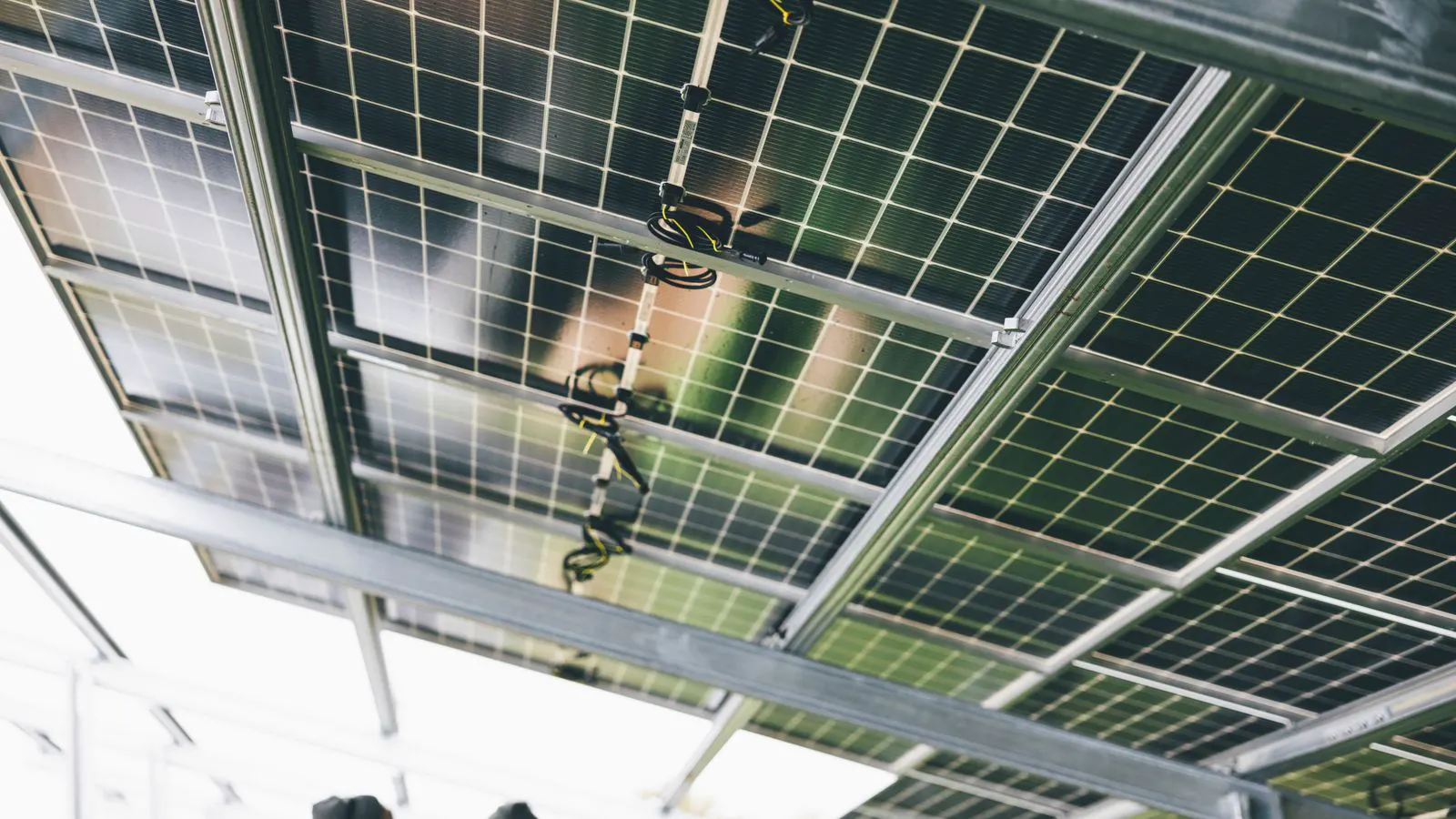
Selecting aluminum solar racking requires checking material grades, corrosion resistance, and supply chain stability. This guide provides a structured framework for evaluating suppliers based on technical specifications, documentation, and field performance to reduce procurement risk.
- Verify material grade and thickness using independent mill test reports rather than relying on supplier datasheets.
- Prioritize suppliers who can provide detailed corrosion testing data for the specific coating process used.
- Assess the supplier's ability to handle complex logistics, including mixed shipping and lead time guarantees.
- Review field failure history and warranty terms to understand long-term support capabilities.
- Request physical samples and perform independent inspection before signing a long-term agreement.
Sourcing aluminum solar racking demands a shift from price-first purchasing to technical verification. The material itself is relatively simple, but the variations in alloy composition, coating thickness, and manufacturing tolerances can significantly impact the lifespan of a mounting system.
Buyers often face a gap between marketing claims and actual product performance. A supplier may list “industrial grade aluminum” without specifying the alloy number or the exact method used to protect the surface. This guide outlines a practical framework for closing that gap.
Verify Material Composition and Grade
Aluminum racking is not a single material. It is a specific alloy selected for its balance of strength-to-weight ratio and resistance to deformation. The most common alloys for structural racking are 6061-T6 and 6063-T6.
Do not accept generic descriptions. Request the specific alloy designation and heat treatment condition. T6 heat treatment provides the required yield strength. Without it, the material may bend or twist under the static and wind loads applied to a roof or ground mount. 6061 offers higher strength and is often used for brackets and rails that bear direct clamping forces. 6063 is easier to extrude into complex profiles and is common for main rails and support struts.
Ask for mill test reports. These documents trace the aluminum back to the original smelter and confirm the chemical composition. A reliable supplier will provide these without hesitation. If a supplier cannot produce mill test reports for a specific batch, treat that as a red flag. These reports should list the actual silicon, magnesium, and iron content for that specific production lot. This level of traceability ensures that the material you install matches the material tested in the laboratory.
Also check the wall thickness on extruded sections. Thin-walled profiles save material and cost, but they offer less resistance to impact damage and long-term fatigue. Confirm the nominal thickness and the tolerance range. A profile marked as a 10mm wall but manufactured at 9.5mm may be acceptable, but it must be consistent. Inconsistent wall thickness can lead to weak points in the structural frame, particularly at the corners of box sections where stress concentrates.
Assess Coating and Corrosion Protection
Aluminum naturally forms a protective oxide layer. However, for solar racking exposed to harsh environments, a secondary coating is standard. The two main methods are anodizing and powder coating.
Anodizing creates a hard ceramic-like layer by electrochemical oxidation. It is highly durable and integrates with the metal. Powder coating applies a plastic resin layer that is cured with heat. It offers excellent color options and impact resistance but requires careful preparation of the base metal.
The choice depends on the application. Anodizing is often preferred for its long-term durability and lower maintenance. It provides a uniform thickness and is resistant to scratching. Powder coating is common when specific colors are required for brand identity or aesthetic integration. It allows for thicker, more vibrant color layers but is susceptible to chipping if struck by debris.
Request corrosion testing data. Look for salt spray test results. These tests measure how many hours a sample withstands exposure to a salty, corrosive atmosphere before showing signs of failure. A higher hour rating generally indicates better protection. However, test conditions vary. Ask the supplier which standard was used and what the specific failure criteria were. Some tests stop at the first drop of rust, while others allow for minor surface changes. Knowing the threshold prevents misinterpreting the data.
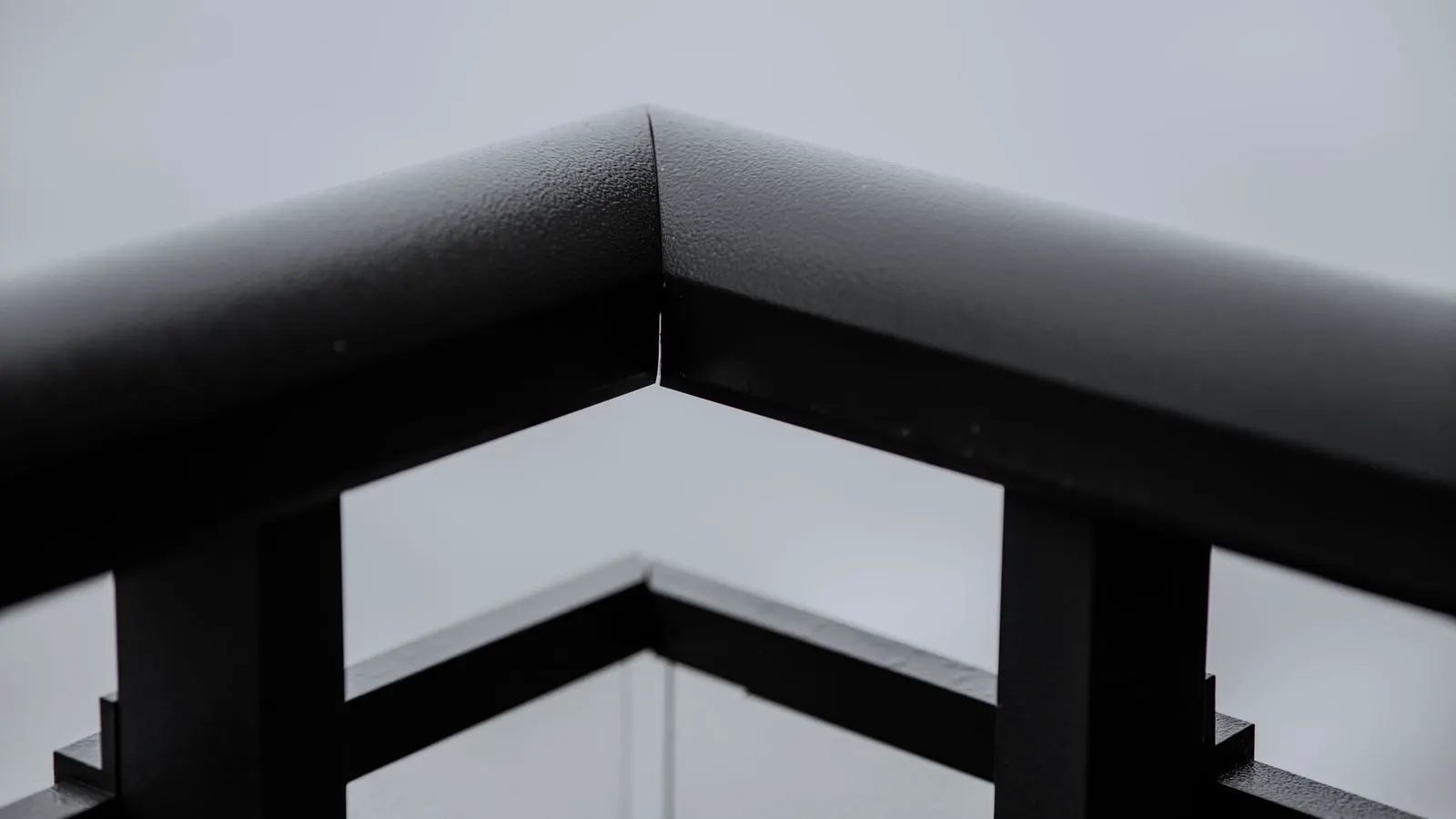
Also inspect the edges. Coating defects often appear at the edges of extruded profiles. If the coating is thin or missing at the edges, the underlying aluminum is exposed to corrosion. Ask for photographs of finished products showing edge coverage. Pay close attention to the internal channels of the extrusion. If the powder coating does not penetrate deeply into the hollow sections, corrosion can start internally and remain hidden until the structure fails.
Evaluate Manufacturing Tolerances and Quality Control
Racking components must fit together tightly. Tolerances determine how easily the system can be assembled in the field and how well it performs over time.
Check the dimensional tolerances on critical parts. Rail length, bracket hole placement, and connection point alignment all matter. A deviation of a few millimeters can make assembly difficult or create stress points in the connection. For example, if the distance between two bolt holes in a bracket is off by 2mm, the installer may have to force the bolt through, which can strip the hole or warp the bracket.
Ask about the quality control process. Does the supplier perform random sampling or 100 percent inspection? A robust process includes dimensional checks, visual inspections for surface defects, and load testing on a sample batch. CMM (Coordinate Measuring Machine) inspection is a high standard for verifying complex geometry. If the supplier relies solely on visual checks by a single operator, the risk of hidden defects increases.
Request a sample of the finished components. Inspect them yourself. Look for burrs, sharp edges, and coating imperfections. Feel the surface. It should be smooth, without pits or rough patches. If the supplier refuses to send a sample, it suggests a lack of confidence in the product consistency. A physical sample also allows you to test the torque values of the fasteners. A loose fit between the rail and the clamp can lead to vibration and loosening over time.
Review Supply Chain and Logistics Capabilities
Aluminum racking is heavy and bulky. Shipping costs and lead times can be significant variables in project budgeting. A supplier with a strong local manufacturing presence often has an advantage in delivery speed and cost.
Ask about the supplier’s logistics partners. Do they have experience shipping to remote sites? Can they handle mixed shipments, where different components arrive at different times? Delays in one component can halt entire construction phases. If the rails arrive but the clamps do not, the installation crew sits idle.
Check the supplier’s capacity. What is their monthly production volume? If you are sourcing a large project, can they meet your volume requirements without extending lead times? A small supplier may struggle to scale. A large supplier may have longer queues but more predictable output. Ask about their raw material sourcing. If they rely on a single smelter for their aluminum, any disruption in supply can stop their production line entirely.
Inquire about their contingency plans. What happens if a shipment is delayed or damaged in transit? A reliable supplier will have a process for expediting replacements or arranging emergency shipments. Check their packaging standards. Racking components are often packed in wooden crates or shrink-wrapped pallets. Inadequate packaging can lead to denting or coating damage during transit, which you will not discover until the components are unboxed on the job site.
Examine Warranty and Support Terms
The warranty is a direct reflection of the supplier’s confidence in their product. Read the terms carefully.
Check the coverage period. A standard warranty for aluminum racking often extends to 10 to 25 years, depending on the application and coating. A shorter warranty may indicate concerns about long-term performance. Compare the warranty term against the expected life of the solar panels. If the panels are rated for 25 years but the racking only carries a 10-year warranty, there is a mismatch in risk.
Define what is covered. Does the warranty cover material failure, coating failure, or both? What are the exclusions? For example, damage caused by improper installation or extreme weather events outside the design specifications is usually excluded. Read the fine print regarding “act of God” clauses. If a storm exceeds the design load rating, the warranty may not apply.
Understand the claim process. How long does it take to process a claim? Who pays for shipping a replacement part? A clear, straightforward process reduces friction if something goes wrong. Some suppliers require you to send the defective part back for analysis before sending a replacement. This can delay repairs significantly. Look for suppliers who offer “ship first, return later” policies for critical structural components.
Also consider technical support. Does the supplier provide engineering assistance? Can they help with load calculations or system design? A supplier that offers ongoing technical support is more likely to be a long-term partner. Ask if they have a local engineering team or if all queries go to a central office in a different time zone. Responsiveness in technical support is a key indicator of the relationship’s quality.
Supplier Evaluation Criteria
Use the table below to structure your evaluation process. Assign points to each criterion based on your project priorities.
| Criterion | What to look for | Why it matters |
|---|---|---|
| Material Certification | Mill test reports, specific alloy designation | Confirms the structural integrity and corrosion resistance of the base metal. |
| Coating Quality | Salt spray test hours, edge coverage photos | Determines the long-term durability of the surface protection system. |
| Tolerances | Dimensional tolerance sheets, sample inspection | Ensures components fit together correctly and assemble easily in the field. |
| Logistics | Lead times, shipping experience, capacity | Prevents project delays and controls total landed cost. |
| Warranty | Coverage period, claim process, exclusions | Protects against long-term failures and defines the supplier’s accountability. |
Make the Final Decision
The selection of an aluminum solar racking supplier is a risk management exercise. You are not just buying a product; you are buying a supply chain relationship.
Before signing a contract, complete the following checklist.
- You have received and reviewed mill test reports for the specific alloy requested.
- You have inspected a physical sample and approved the finish and quality.
- You have confirmed the coating method and reviewed the corrosion testing data.
- You have verified the supplier’s production capacity and logistics plan for your volume.
- You have agreed on the warranty terms and the process for handling defects.
If any of these points are unresolved, do not proceed. The cost of a defective racking system is far higher than the cost of a thorough evaluation. A reliable supplier will welcome these questions. They are part of the job.
Frequently asked questions
What is the difference between 6061 and 6063 aluminum for racking?
6061 is generally stronger and more versatile for structural applications. 6063 is often used for extrusions where surface finish is a priority. Both are common, but 6061-T6 is frequently preferred for load-bearing racking.
How do I verify the thickness of aluminum profiles?
Ask for the dimensional tolerance sheet from the supplier. You can also measure a sample with a caliper. The measurement should be consistent across the sample and within the stated tolerance range.
Is powder coating better than anodizing for solar racking?
Neither is universally better. Anodizing offers superior long-term durability and is often preferred for harsh environments. Powder coating offers better color options and impact resistance. The choice depends on the specific application and environmental conditions.
What should I do if a supplier cannot provide mill test reports?
Treat it as a significant red flag. Mill test reports are standard in the industry. A refusal to provide them suggests a lack of transparency or potential quality control issues. Consider looking for another supplier.
How long does it take to get a sample from a supplier?
This varies by supplier and distance. A domestic supplier might send a sample within a few days. An international supplier might take several weeks. Factor this time into your evaluation schedule.