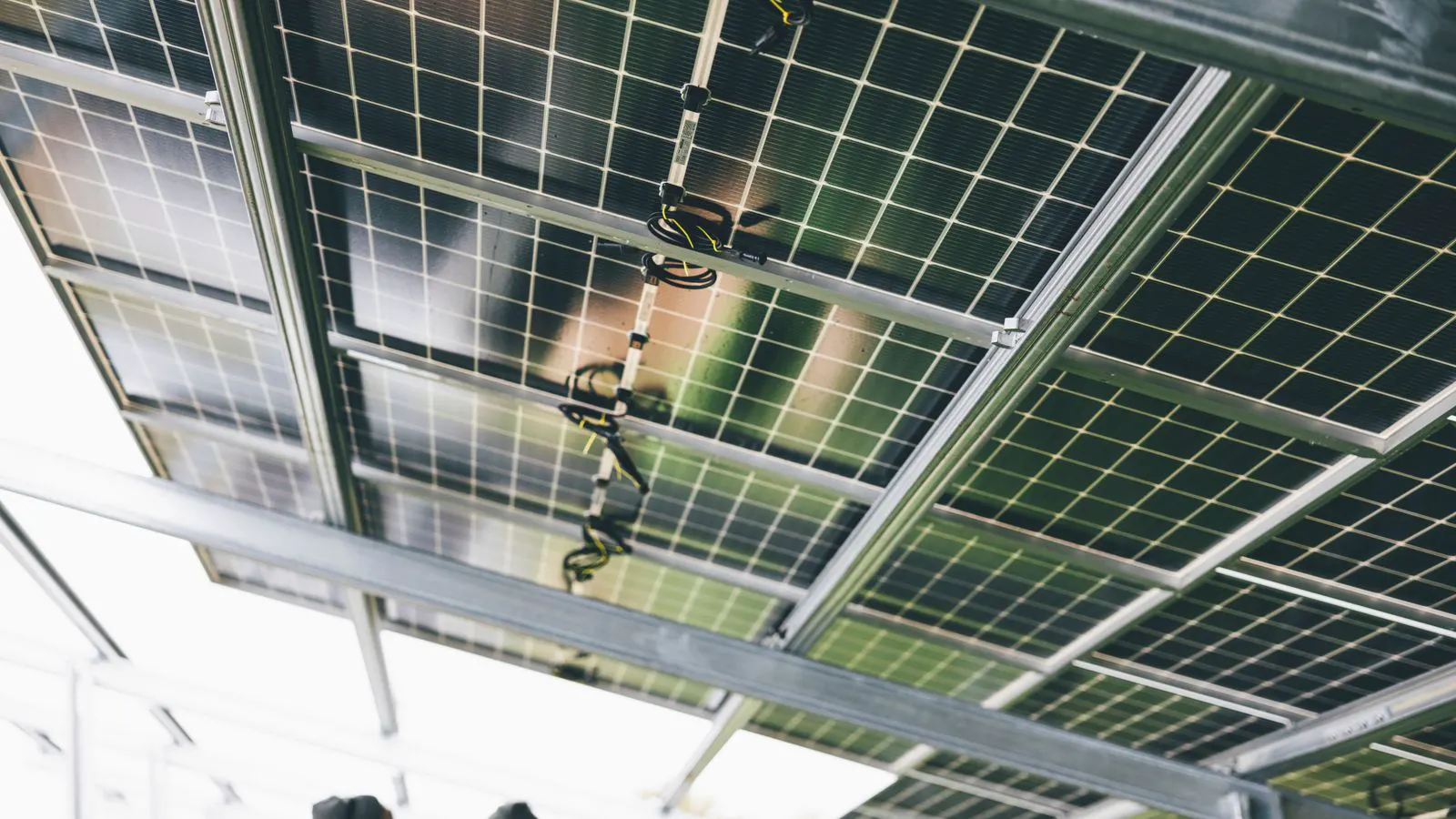
Future of Composite Racking: Durability and Weight

Composite solar mount systems are moving from niche applications to mainstream consideration. This guide outlines five shifts in material science, load performance, and cost structures that buyers should plan for. It provides a practical framework for preparing procurement strategies.
- Composite materials are gaining ground in low-rise and commercial projects due to weight reduction and corrosion resistance.
- Load capacity remains the main barrier, requiring careful engineering for high wind and snow zones.
- Procurement lead times and long-term warranty terms are critical differentiators between metal and composite options.
- Maintenance profiles favor composites, reducing inspection frequency compared to galvanized or coated steel.
- Buyers should request specific load test data and field performance reports before committing to composite racking.
Why composite materials are gaining attention in racking
The racking industry has long relied on galvanized steel and aluminum for structural integrity and predictable performance. Steel offers high strength at low cost, while aluminum provides corrosion resistance without the weight penalty of steel. Composite materials, however, introduce a different trade-off equation. They are lighter, resistant to corrosion by design, and increasingly competitive in price for certain applications.
The shift is not uniform. High-rise commercial and industrial projects still favor steel for its proven load capacity and ease of field adjustment. But for rooftop systems, ground-mount installations in corrosive environments, and projects where crane access is limited, composites are gaining serious consideration. The material mix in a project now depends on site conditions, structural constraints, and lifecycle costs rather than habit.
The durability question for composite solar mount systems
Composite racking systems resist corrosion because the material itself does not rust or oxidize. This eliminates the maintenance cycle associated with steel, which requires regular inspection for coating damage, especially in coastal or industrial zones. In practice, this means fewer touch-up points, no need for rust removal, and a longer service life without intervention.
That said, durability is not just about corrosion. Composites are also susceptible to UV degradation, thermal expansion, and mechanical fatigue over time. A well-engineered composite system uses UV-stabilized resins and protective surface treatments to manage these factors. The key difference is that these issues are predictable and manageable with proper design, unlike corrosion, which can start hidden under a coating and spread unpredictably.
For buyers, the durability question is not whether composites will last, but whether the specific product meets the project’s environmental and load requirements. A composite solar mount rated for a moderate climate may not perform the same as one rated for extreme temperatures or high wind speeds.
Weight reduction and its practical implications
The primary technical advantage of composite racking is weight. A composite panel or rail weighs significantly less than an equivalent steel section. This translates directly into reduced dead load on the roof structure, which can eliminate the need for additional steel framing or reinforcement. In retrofit projects, this can be the difference between a feasible installation and a costly structural upgrade.
Lighter racking also simplifies logistics. Modules are easier to handle, require fewer personnel for lifting, and reduce the load on cranes and lifts. On sites with limited access, such as dense urban rooftops or remote ground-mount locations, this can reduce labor costs and installation time.
The trade-off is in stiffness. Composites are generally less rigid than steel of the same cross-section. This means the design must account for greater deflection under load. Engineers must specify larger section dimensions or use hybrid systems that combine composite and metal components to meet deflection limits.
Load capacity and engineering requirements
Load capacity is the main technical barrier to widespread adoption of composite racking. Steel and aluminum have well-established yield strengths and elastic moduli that engineers can rely on. Composites have different mechanical properties, and their performance depends heavily on the fiber orientation, resin type, and manufacturing process.
This does not mean composites cannot handle high loads. It means the engineering process must be more rigorous. The design must account for the specific material’s behavior under sustained load, not just short-term peak forces. Wind loads, snow loads, and seismic loads all interact differently with composite materials than with metals.
Buyers should require load test data and third-party verification for any composite solar mount product. A manufacturer’s datasheet showing ultimate strength is not enough. The data must reflect the specific system configuration, including connectors, clamps, and attachment points.
Five shifts buyers should plan for
-
Procurement lead times will vary by material. Metal racking has established supply chains with predictable lead times. Composite materials are still maturing in volume production, which can mean longer lead times or smaller batch sizes. Projects with strict deadlines should confirm delivery windows early.
-
Warranty terms will differ. Metal racking warranties often cover structural integrity for 25 years or more. Composite warranties may be shorter or conditional on specific maintenance and installation practices. Buyers should read the fine print on what is covered and for how long.
-
Field repair options are limited. If a steel racking member is damaged, it can often be replaced or repaired in the field. Composite members, once cracked or delaminated, are typically not repairable in place. The entire section must be replaced. This affects spare parts strategy and long-term maintenance planning.
-
Hybrid systems will become more common. Many projects will use composites for specific components, such as purlins or rails, while keeping steel for primary structural members. This allows engineers to balance weight, strength, and cost. Buyers should be comfortable specifying mixed-material systems.
-
Cost per watt will shift over time. While composite materials may have a higher upfront cost than steel in some segments, the lower weight and reduced corrosion can lower lifecycle costs. As production scales, the price gap will narrow. Buyers should model total cost of ownership, not just initial material cost.
How to prepare your procurement strategy
The transition to composite racking is not a binary choice. It is a gradual shift in material selection based on project requirements. Buyers should prepare by updating their specification templates to include composite options where appropriate. This means defining clear material requirements in the design phase, not deciding after the structural engineer has already specified steel.
Start with a pilot project. Select a low-risk installation where the performance can be monitored without significant financial exposure. Use the data from this pilot to build confidence in the material and to refine the installation procedures. This approach reduces risk and helps your team develop practical knowledge of composite handling and detailing.
Train your installation crew. Composite racking is not installed the same as steel. The fastening patterns, torque values, and alignment methods can differ. A crew that is not familiar with the material will make mistakes that affect system performance and warranty eligibility.
Comparison of key material properties
| Property | Galvanized Steel | Aluminum | Composite |
|---|---|---|---|
| Corrosion resistance | Moderate, requires coating | High | High |
| Weight | High | Moderate | Low |
| Load capacity | High | High | Moderate to high |
| Field repairability | Good | Moderate | Poor |
| Maintenance frequency | Regular | Low | Low |
| Upfront cost | Low | Moderate | Moderate to high |
The table above summarizes the general trade-offs. The actual performance of any specific product depends on its design, manufacturing quality, and installation practice.
Where composite racking fits in the market
Composite solar mount systems are not a replacement for steel or aluminum. They are a complementary option that addresses specific project needs. For coastal installations where corrosion is a primary concern, composites offer a clear advantage over coated steel. For rooftop projects where roof load capacity is limited, the weight reduction can be decisive. For ground-mount installations in remote areas, the lighter weight reduces transport and handling costs.
The market will continue to evolve as manufacturers improve material formulations and production processes. We can expect to see higher load ratings, longer warranties, and better field repairability over time. But the shift will be gradual, and steel will remain the dominant material for large-scale commercial and industrial projects for the foreseeable future.
For buyers, the opportunity is to position their organization to take advantage of composite options when they make sense. This requires staying informed about material developments, engaging with manufacturers early in the design process, and making decisions based on project-specific data rather than general assumptions.
Practical checks before specifying composite racking
Before committing to a composite solar mount, run through these checks:
- Verify the load rating for your specific climate zone. Confirm that the system meets local wind and snow codes.
- Check the warranty terms and understand what is excluded.
- Confirm the availability of spare parts and the lead time for replacements.
- Review the installation manual and ensure your crew is trained on the specific system.
- Request field performance data from similar projects in your region.
These checks will help you make an informed decision and avoid the pitfalls of selecting a material without understanding its limitations.
The future of composite racking is not about replacing metals. It is about expanding the toolkit available to engineers and buyers. By understanding the trade-offs and preparing your procurement strategy accordingly, you can take advantage of the benefits that composites offer while managing the risks.
Frequently asked questions
Can composite racking be used in high wind zones?
Yes, but the specific product must be rated for the local wind speed. Engineers should verify the load capacity against local building codes before specifying composite racking.
How does composite racking compare to aluminum in coastal areas?
Both resist corrosion well. Aluminum is lighter and easier to work with, while composites may have better impact resistance and lower maintenance. The choice depends on project requirements.
What is the typical warranty period for composite racking?
Warranty terms vary by manufacturer. Some offer 15 to 25 year warranties, but buyers should read the specific terms to understand what is covered and any conditions.
Can composite racking be painted or customized?
Many composite systems have factory-applied finishes. Field painting is generally not recommended as it can void the warranty and affect performance.
Is composite racking more expensive than steel?
Upfront, composites often cost more than steel. However, the lower weight and reduced corrosion can lower lifecycle costs. Buyers should evaluate total cost of ownership.